Key points
- Oxygen Monitors aren’t enough, CO₂ levels can become dangerous even when oxygen levels appear normal
- CO₂ exposure is hazardous, even low levels cause symptoms; high levels can be fatal
- CO₂ settles low so it is best to position CO₂ sensors in low-lying areas to catch any build up early
- Dedicated CO₂ sensors are essential as they detect CO₂ risks that oxygen monitors might miss
- Regular maintenance and calibration is key as it ensures accurate monitoring and workplace safety
Why are oxygen monitors not enough to protect against carbon dioxide hazards?
Oxygen monitors are often used to monitor air quality by people working in dangerous working conditions; however, there is something you should be aware of. Oxygen monitors don’t always give you the full picture, as they can’t protect against the toxic effects of carbon dioxide (CO₂) build-up. CO₂ is tasteless, odourless, and usually harmless in small amounts; if levels rapidly increase, it can become life-threatening.
Oxygen monitors work on the principle that a lack of oxygen signals that the environment is dangerous. This premise doesn’t take into consideration that CO₂ can accumulate to dangerous levels while oxygen levels remain relatively stable, tricking an oxygen monitor into signalling that air quality conditions are safe.
Why is CO₂ dangerous in confined or poorly ventilated spaces?
CO₂ is naturally present in the air with little to no effect; however, with the lack of fresh air in confined spaces or industrial settings, CO₂ concentration can rise to dangerous levels. Low exposure can cause nausea, dizziness, and headaches, while higher levels may lead to confusion, convulsions, and even death.
As CO₂ is heavier than air it settles in low-lying areas, where it displaces all gases including Oxygen. In enclosed or poorly ventilated spaces, CO₂ can build up to toxic levels before the oxygen levels get dangerously low, making it a hidden but serious hazard.
Can CO₂ be harmful even if oxygen levels are normal?
Many people think that CO₂ is only dangerous when it lowers oxygen levels. However, research shows that concentrations of CO₂ as low as 4% can cause harmful effects even when oxygen levels remain normal. The UK’s Health and Safety Executive (HSE) has set a strict workplace exposure limit of 0.5% over 8 hours and 1.5% over 15 minutes. CO₂ levels would need to rise to 50% to displace enough oxygen to trigger an oxygen alarm, yet toxic effects can occur at 10-15%, well before oxygen becomes critically low.
How to monitor CO₂ safely?
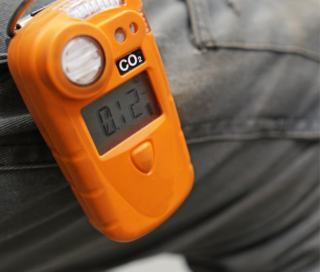
To effectively manage CO₂ risks, it is important to use monitors made specifically to detect it. These differ from general air quality or oxygen monitors, as they warn you of dangerous CO₂ levels well before oxygen levels get too low.
Here are three simple steps for monitoring CO₂ safely:
- Use CO₂ Monitors, Not Just Oxygen Sensors: CO₂ monitors are designed to detect even the smallest increases in CO₂, alerting you before levels become harmful. Use them in enclosed areas or confined spaces with poor airflow.
- Place Monitors Low to the Ground: CO₂ is heavier than air so it will settle low to the ground. Placing CO₂ monitors at low points will give the most accurate reading.
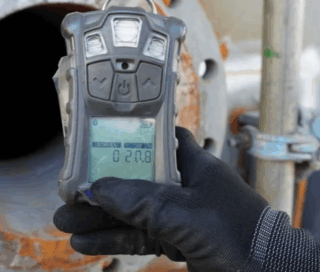
- Check and Maintain Monitors Regularly: Before each use, it is essential that you ensure all monitors are working properly. Over time, dust, humidity and temperature changes can affect the effectiveness of the CO₂ monitors.
Oxygen sensors can help to detect unsafe air quality, but they cannot replace CO₂ monitors. In areas where CO₂ levels are expected to be higher than normal or where fresh air is limited, CO₂ monitors are essential to keeping people safe. If there is any chance of high CO₂ exposure at work, having the right monitoring in place isn’t just about following the rules; it is about saving lives.