key points
- Fixed and portable gas detectors serve different purposes but work best when used together to protect people from harmful gases.
- Fixed gas detectors are permanently installed in high-risk or hard-to-reach areas to provide constant monitoring and can trigger automatic safety actions.
- Portable gas detectors are worn by workers to give instant warnings in changing or temporary environments, like confined spaces or emergency situations.
- Using both systems creates a layered safety approach, covering both wide areas and personal exposure risks.
- A combined strategy helps to increase safety, improve response times, and protect workers and facilities more effectively.
When working in places where harmful gases can be a serious risk, choosing the right protection can be challenging. Both fixed and portable gas detectors play an important role in keeping people safe by warning when gas levels are too high. Each type does a different job, but using them together could provide the best protection. This article looks at how both fixed and portable gas detectors work, where they’re used, and why combining both could create a complete protection solution.
What are Fixed Gas Detectors?
Fixed gas detectors are permanently installed in important areas to continuously monitor the air for harmful gases or vapours.
Typical Applications of Fixed Gas Detectors:
- Continuous Monitoring: Ideal for constant surveillance in unmanned or restricted areas.
- Restricted Access Areas: Suitable for hard-to-reach, high-risk zones like confined spaces.
- High-Risk Environments: Essential for settings with continuous gas exposure, such as chemical plants.
- Automated Safety Actions: Can trigger alarms, activate ventilation, or shut down operations when gas levels exceed safe limits.
What are Portable Gas Detectors?
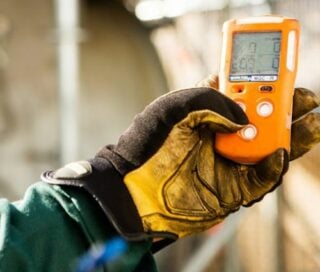
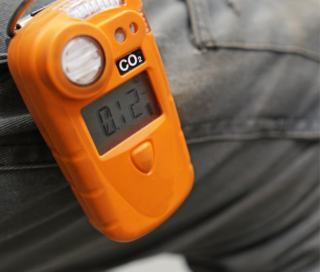
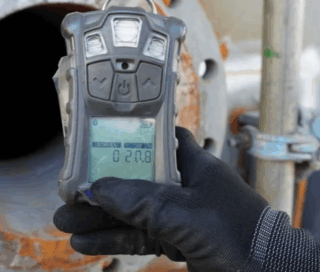
Portable gas detectors are worn by workers to give quick warnings when harmful gases are in the air they are breathing. These devices are ideal for short-term tasks or areas where conditions change often.
Typical Applications of Portable Gas Detectors:
- Personal Protection: Alerts workers to dangerous gas levels in real-time.
- Confined Space Checks: Ensures safety before entering confined spaces.
- Temporary Sites: Provides essential monitoring at sites lacking fixed systems.
- Emergency Response: Offers immediate verification and precise gas data during incidents.
Why is it important to use both systems together?
By combining fixed and portable systems, you create a layered defence strategy that addresses both broad-area risks and immediate, personal safety concerns. This approach maximises coverage, increases response times, and enhances overall safety.
Common Scenarios for Combined Use:
- Industrial Facilities: Fixed systems monitor gas levels around the clock, while portable detectors are used during maintenance or confined space entries.
- Construction & Commissioning: Portable detectors offer protection on-site until fixed systems are fully operational.
- Emergency Response: Portable detectors allow responders to safely assess situations when a fixed system detects a leak.
- Changing Conditions: Portable detectors provide immediate protection when conditions shift, or as fixed systems are updated.
- High-Risk Zones: In areas with consistent gas exposure, fixed detectors provide round-the-clock monitoring, while portable detectors ensure worker safety upon entry.
Both gas detection systems have their unique uses independently. For example, fixed gas detection systems are crucial for ongoing, automated monitoring in high-risk environments, while portable detectors ensure worker safety in dynamic or short-term scenarios. Together, however, they create a solid safety strategy, ensuring thorough protection for both personnel and facilities.