Gas Detection
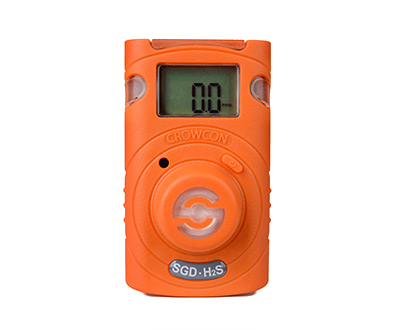
Crowcon – Clip Single Gas Monitor
On Request
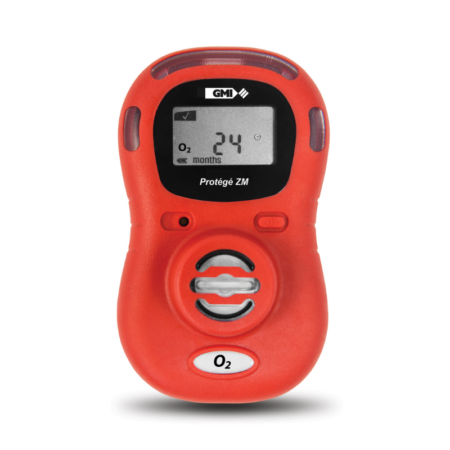
The Protégé ZM is a compact, zero-maintenance single-gas monitor with pre-set alarms, long life, and reliable performance. Fill in the form below to get yours!

Have questions or need expert advice? Our team is ready to assist you. Chat with a knowledgeable expert in real-time and get the information you need.
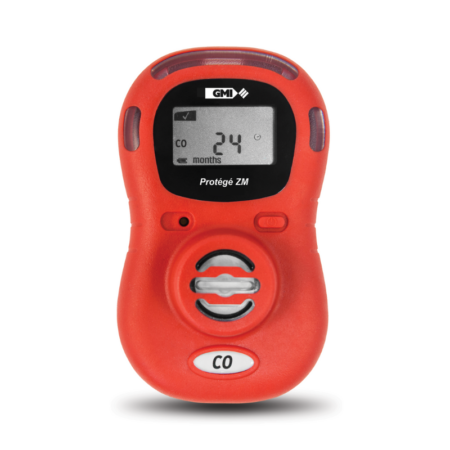
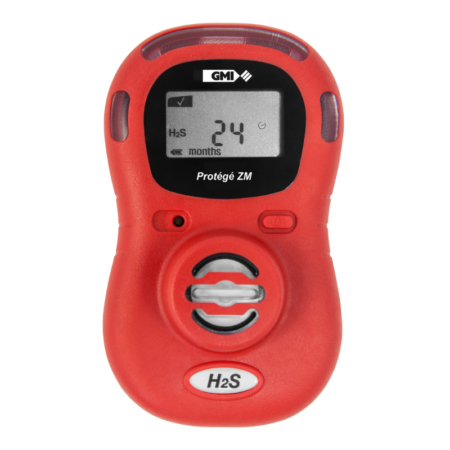
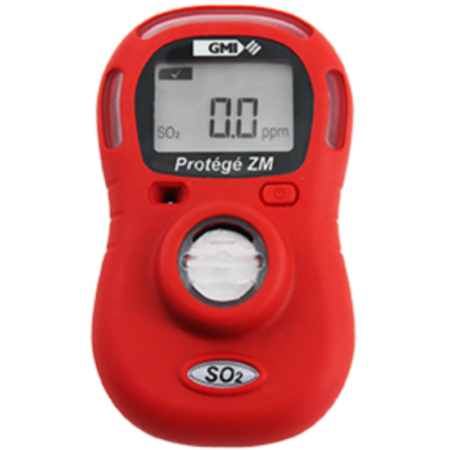
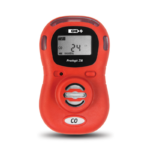
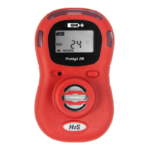
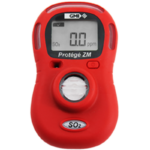
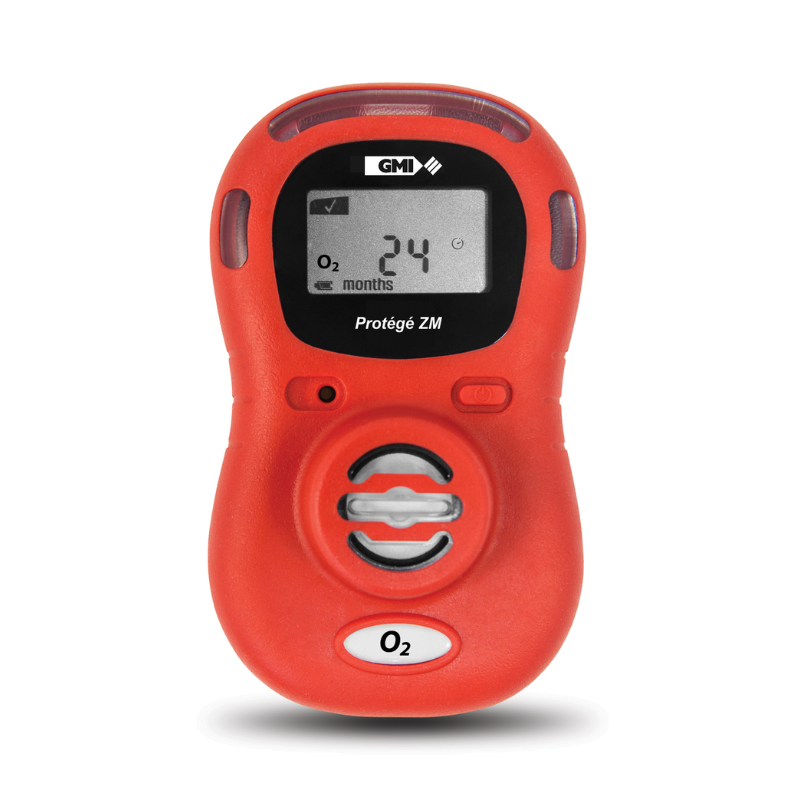
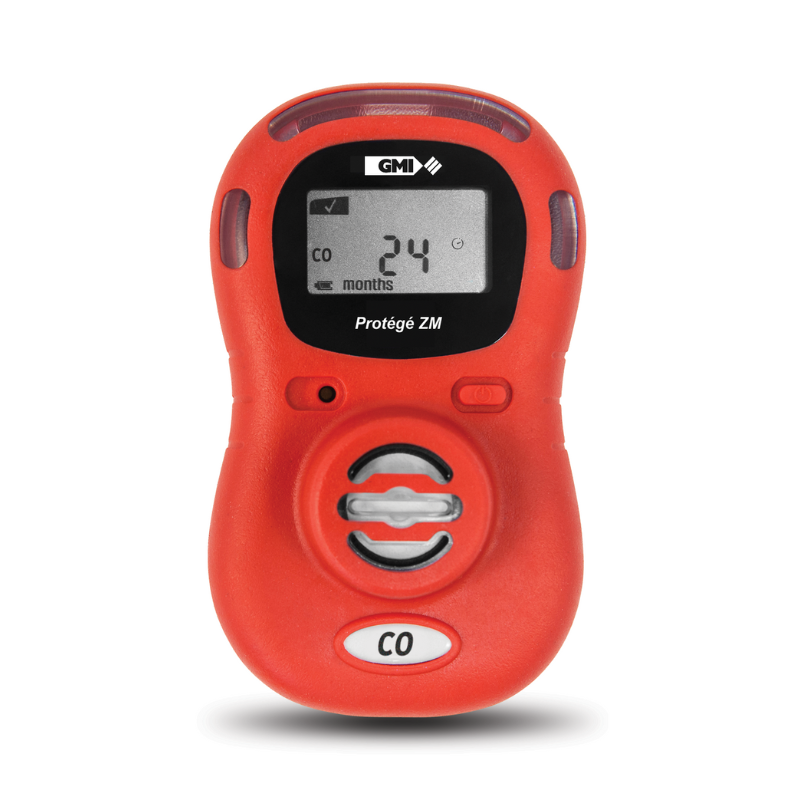
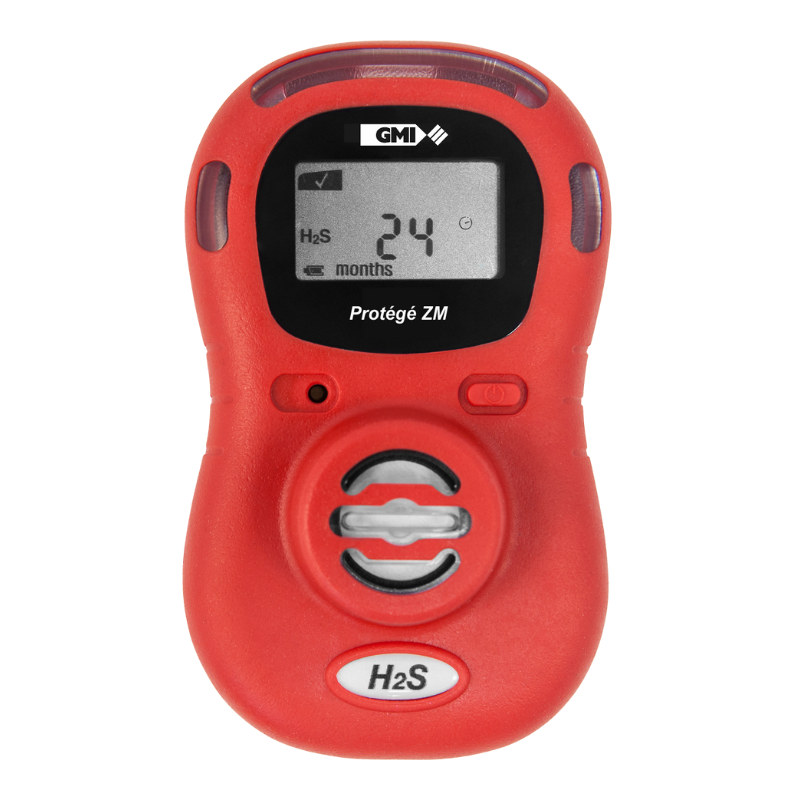
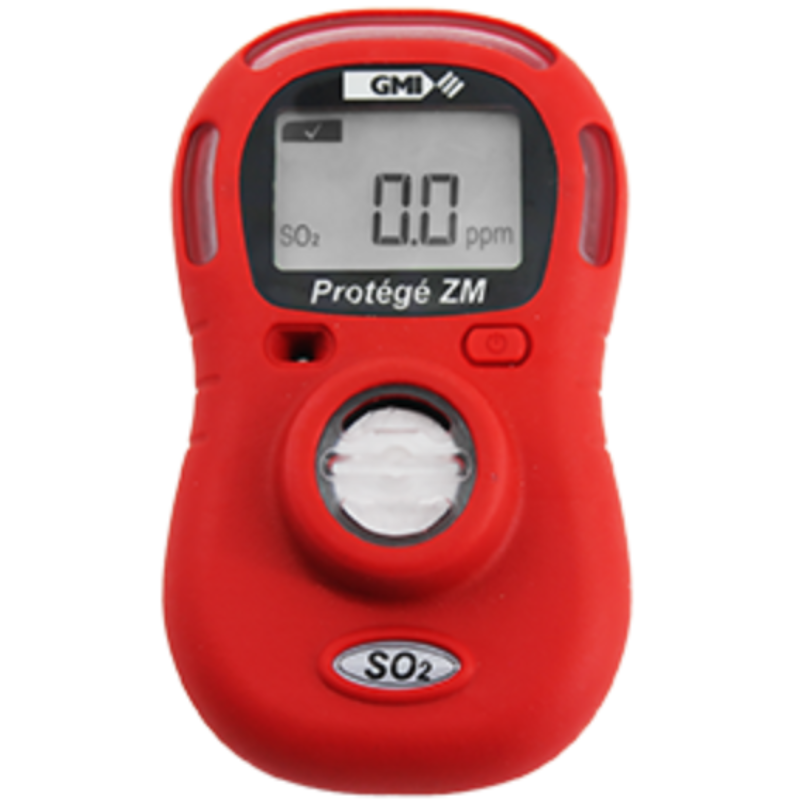
The Teledyne Protégé ZM is a zero-maintenance single-gas monitor designed for ease of use, long-lasting performance, and complete reliability. Compact and lightweight with an ergonomic design, it delivers high-performance gas detection for industrial workers and first responders without the need for charging or sensor replacement.
Available in models for oxygen (O₂), carbon monoxide (CO), hydrogen sulphide (H₂S), and sulphur dioxide (SO₂), the Protégé ZM is ideal for hazardous environments where dependable, real-time monitoring is critical to safety. With factory-set alarms, it provides clear, timely alerts, allowing workers to focus on their job—not their equipment.
Each unit comes ready to use with a stainless steel clip, calibration cup, calibration certificate, and quick-start operation guide for straightforward deployment in the field.
Can’t find your answer? Get in touch with our team.
Taking into consideration the ATEX directive, manufacturer recommendations and your own company risk assessments, it is recommended that you bump test your monitor before every use, it is true that the law is not clear and doesn’t use the all-important word “MUST” and the regulation only surrounds flammable gases, not toxic, but you can guarantee that the authorities would want to see evidence of such testing should the worst happen!
A bump test is the only way to test that the whole gas detector unit is working properly. It checks that the sensors respond to the target gas, it also verifies that the display reacts and it confirms that all the alarms are activated and the detector alarm functions properly. The principle behind bump testing remains the same across all manufacturers, with a target gas applied to the monitor for usually around 30-40 seconds with a flow rate of around 0.5lpm, this exposes the sensors to the target gas and the monitor (depending on manufacturer) will show gas readings and alarms should respond accordingly. You would normally expect to see readings within 10% of the target gas applied.
Saturday delivery is available at an additional cost; please contact us before ordering if you wish to go ahead with a Saturday delivery.