Gas Detection
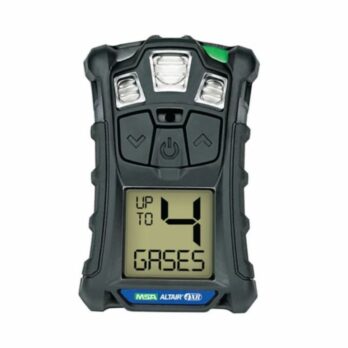
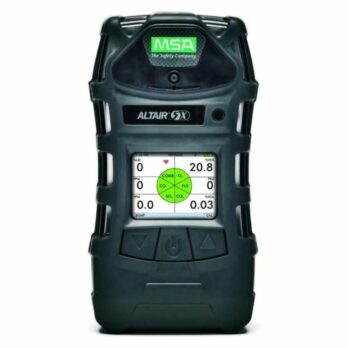
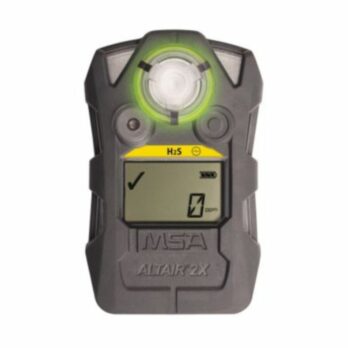
MSA – ALTAIR 2X Gas Detector
On Request
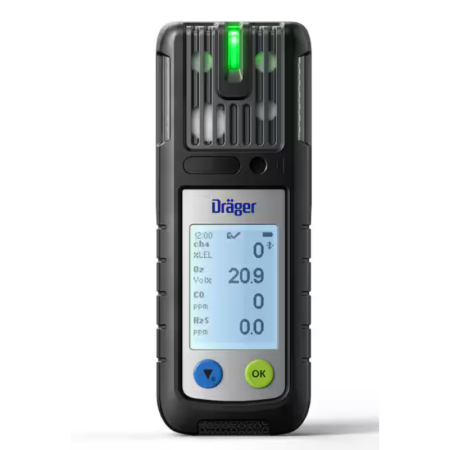
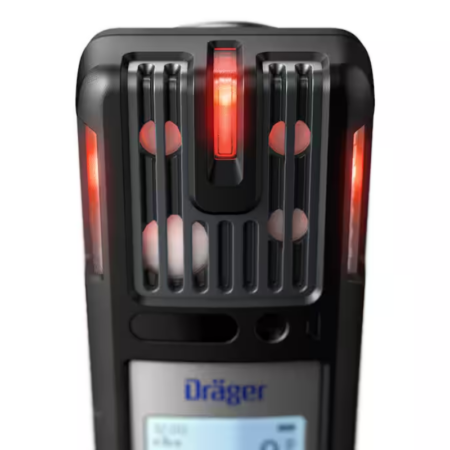
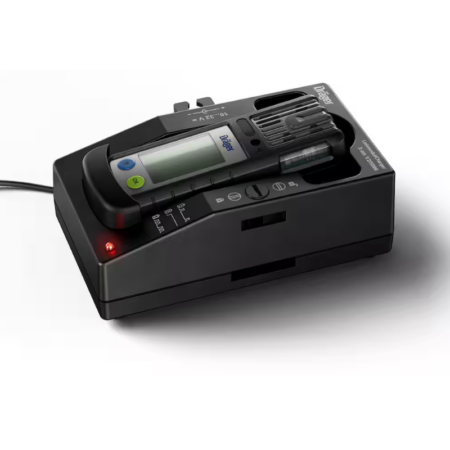
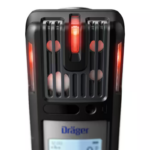
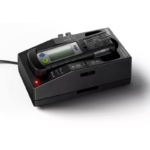
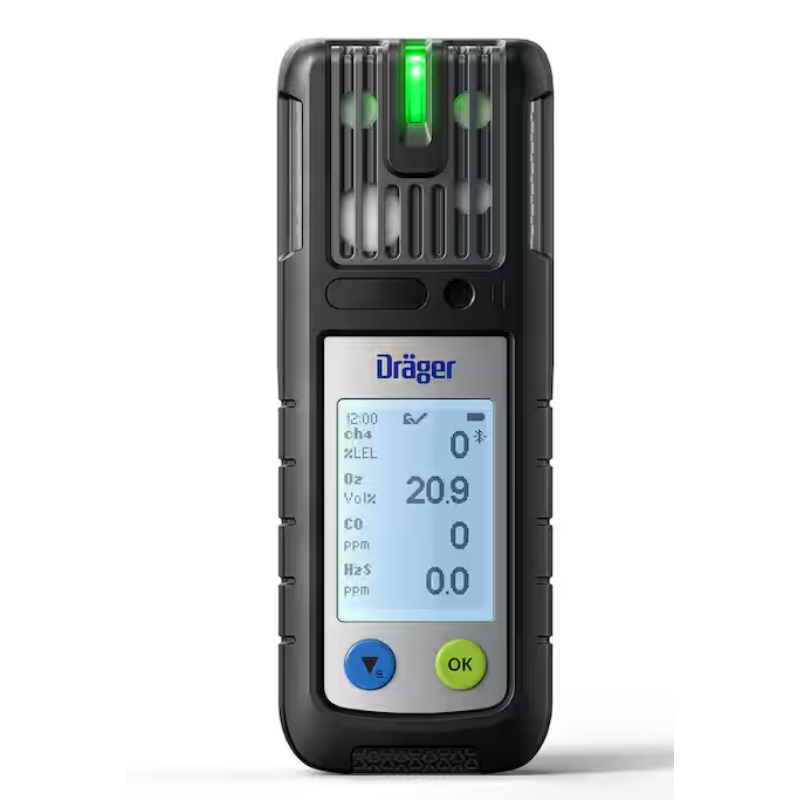
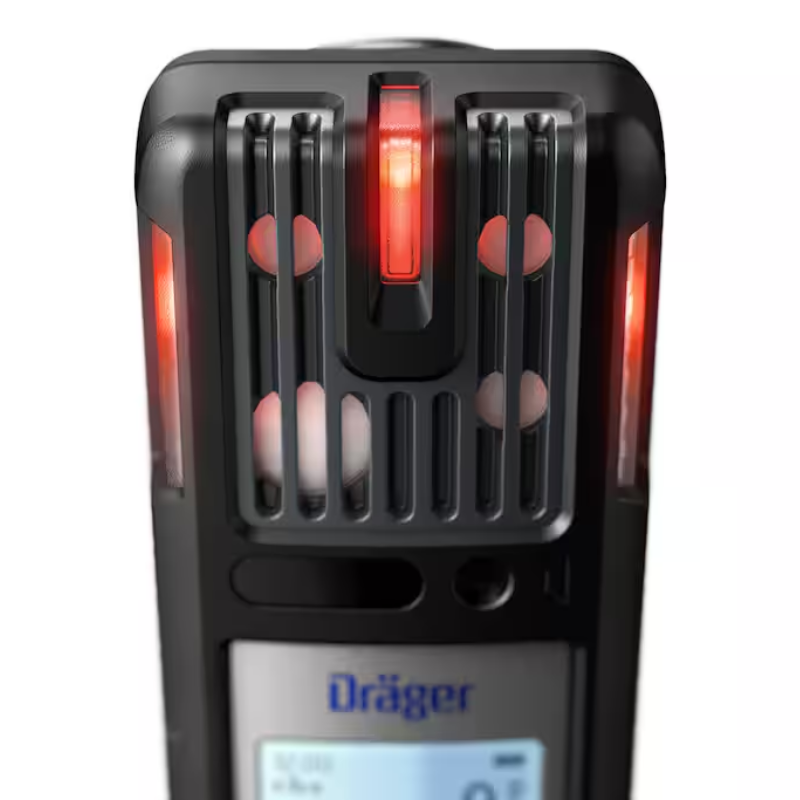
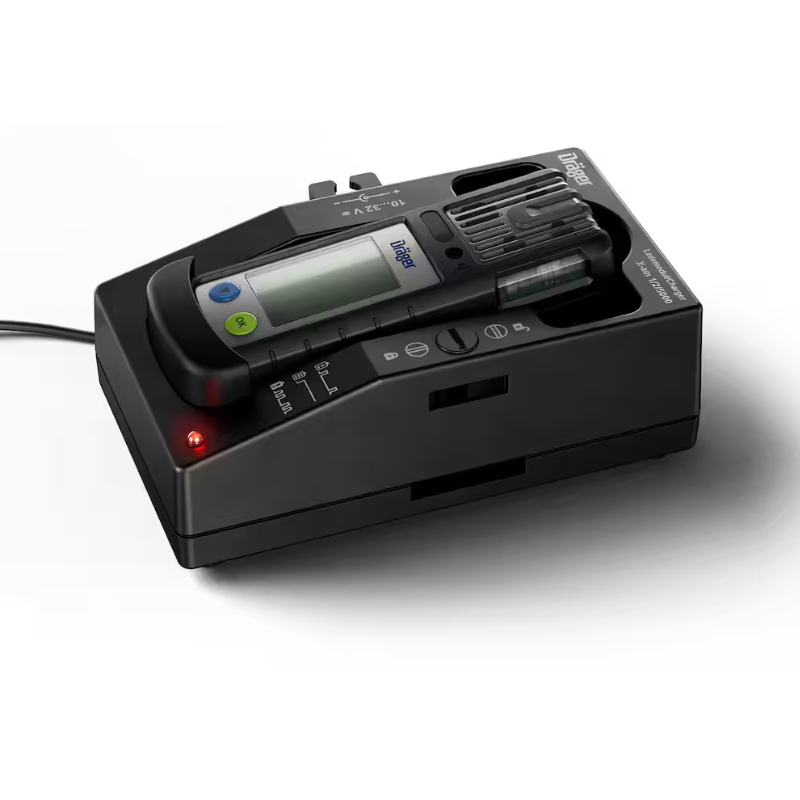
The X-am 2800 multi-gas detector measures up to four gases and is equipped with a particularly shock-resistant CatEx sensor. Contact us to order yours!


Have questions or need expert advice? Our team is ready to assist you. Chat with a knowledgeable expert in real-time and get the information you need.
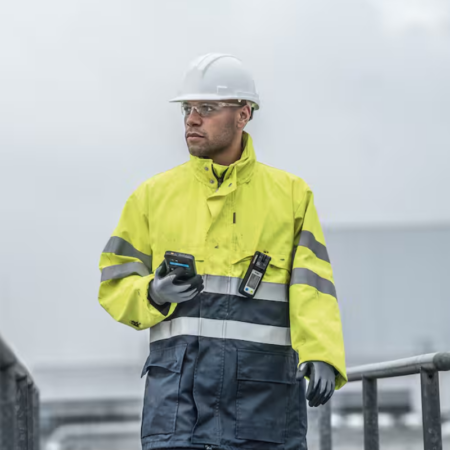
The Dräger X-am 2800 is a compact, reliable multi-gas detector designed to measure up to four gases simultaneously, including oxygen (O₂), carbon monoxide (CO), nitrogen dioxide (NO₂), sulphur dioxide (SO₂), and hydrogen sulphide (H₂S). Engineered for demanding work environments, it features a shock-resistant CatEx sensor for flammable gas detection and is built to withstand harsh conditions, helping to improve safety and compliance across your team.
With live data transmission and full fleet management capabilities via Dräger Gas Detection Connect software, the X-am 2800 allows for efficient monitoring, better maintenance scheduling, and smarter decision-making—ultimately helping to reduce operating costs.
Its user-friendly interface, quick calibration, and clear alarm system support fast response times and require minimal training, making it a highly practical and cost-effective solution for sectors such as oil and gas, firefighting, and healthcare.
Can’t find your answer? Get in touch with our team.
No, however we would suggest that you undertake a Confined Space Course which covers the use of gas monitors. Our sister company Citrus Training offers these courses.
A bump test is the only way to test that the whole gas detector unit is working properly. It checks that the sensors respond to the target gas, it also verifies that the display reacts and it confirms that all the alarms are activated and the detector alarm functions properly. The principle behind bump testing remains the same across all manufacturers, with a target gas applied to the monitor for usually around 30-40 seconds with a flow rate of around 0.5lpm, this exposes the sensors to the target gas and the monitor (depending on manufacturer) will show gas readings and alarms should respond accordingly. You would normally expect to see readings within 10% of the target gas applied.
We offer a wide range of brands at Altitude Safety, please see our brands page for more information