Apleona UK, part of the global Apleona Group, is a leading player in facilities management, boasting over 50 years of experience. They work across the UK, supporting clients in both public and private sectors with a strong focus on self-delivered services.
The Challenge
The project at Apleona UK Ltd involved a large, multi-functional site housing laboratories, offices, and workshops. key building had 30 labs, each with its own gas detection system. Many of these systems had been in place for over 20 years and were starting to show their age. Some were failing regularly, resulting in inconsistent alarm responses. Some systems reported alarms directly to security, while others only triggered local alarms, creating an unreliable and disjointed safety setup across the building.
Some of the labs were high-risk CAT3 labs, which handle sensitive biological materials, requiring strict safety controls and operational accuracy. Apleona needed a smarter, more reliable solution that would bring everything under control. The goal was to replace the old systems with three centralised units, each covering 10 labs, to make it easier to manage, respond to issues, and improve overall safety.
As the labs needed to remain fully operational while everything was being installed, it meant the work had to be carefully planned to avoid disrupting lab activities. Engineers had to keep dust and debris to a minimum, clean as they worked, and avoid any contamination. Additionally, Apleona asked for a clear, colour-coded alarm system so staff could quickly tell what kind of gas was being detected. Blue for oxygen, green for flammable gases, and yellow for carbon dioxide. the type of hazard.
Our Approach
The team started the project with a full site survey, mapping out existing wiring and checking which systems were linked to security and which were standalone. Based on this, a detailed zoning plan was created showing which labs each new system would monitor. These plans were shared with Apleona and signed off before installation began.
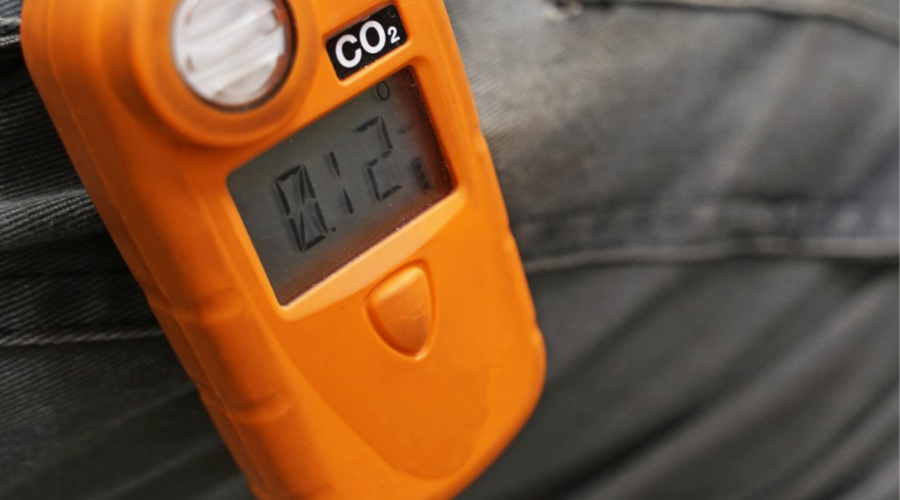
To make sure everything went smoothly, the team put together a three-week installation plan. Since the building would temporarily be without fixed gas detection while the changeover happened, portable gas detectors were placed in each area to keep everyone safe. Safety barriers were also installed where needed, like when ceiling tiles were removed to run new cables through the roof.
The Result
When the new system was installed, we ran practical toolbox talks with all lab users and key staff. Walking the team through how the new setup worked, what each alarm colour meant, and what to do when an alert goes off. This helped everyone feel confident using the new system and clear on safety procedures. The new centralised gas detection system is reliable, easy to manage, and fully up to date with current standards. It also means fewer false alarms, and now every alert goes straight to security with clear information about where the problem is and what type of gas was detected.
To support the system long-term, a two-year service contract was agreed that included regular maintenance and a clear plan for future sensor replacements. This encourages improved safety across the labs and site, better communication, and peace of mind for the team at Apleona.