ATEX Lighting
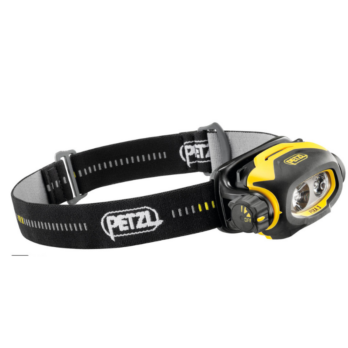
Petzl – PIXA 3
On Request
Enhance visibility and reduce risks with our high-performance safety lighting solutions. Designed for durability and efficiency, our lights ensure reliable illumination in any environment.
Stay safe, stay seen—no matter the conditions.
ATEX Lighting
On Request
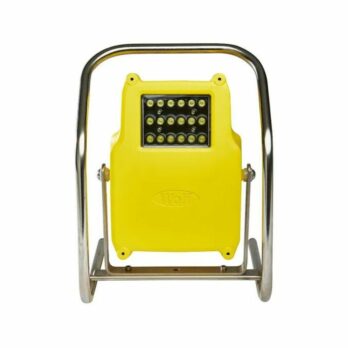
ATEX Lighting
On Request
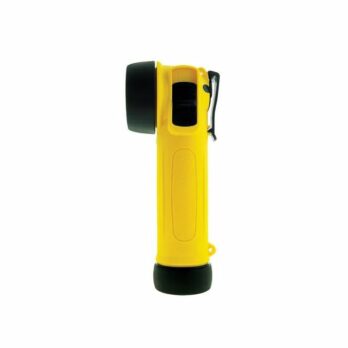
ATEX Lighting
£32.00
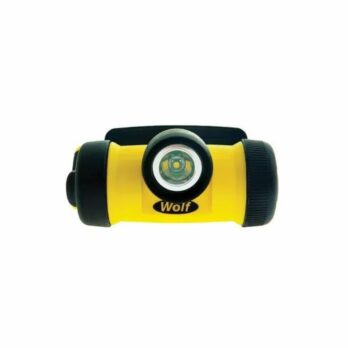
ATEX Lighting
£58.00
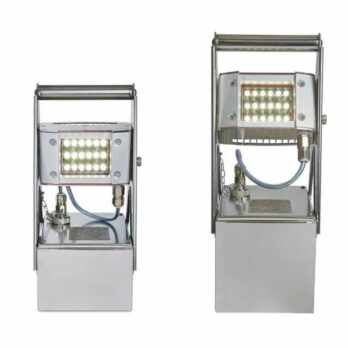
ATEX Lighting
On Request
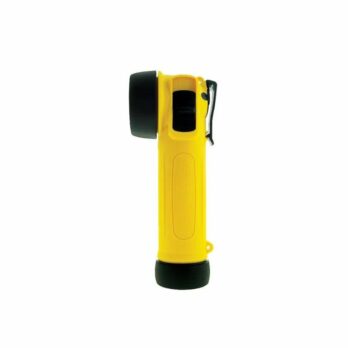
ATEX Lighting
£58.00
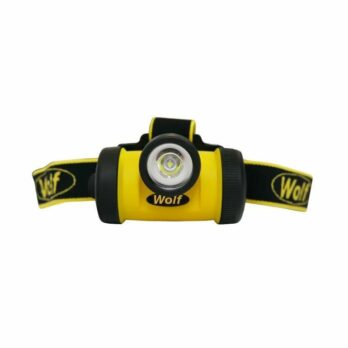
ATEX Lighting
£95.00
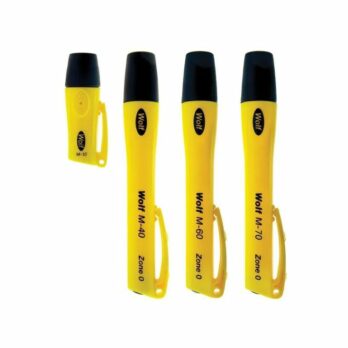
ATEX Lighting
£17.00
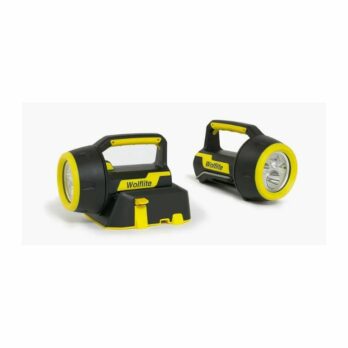
ATEX Lighting
On Request
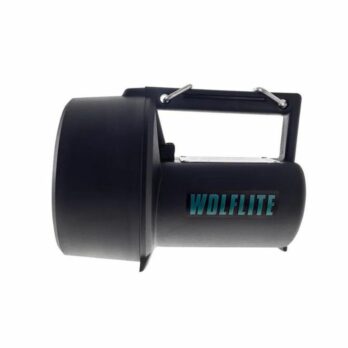
ATEX Lighting
£157.00
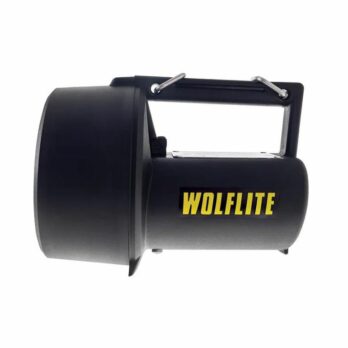
ATEX Lighting
£257.00
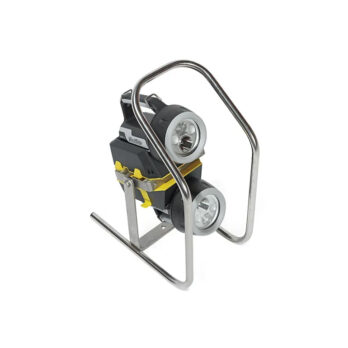
ATEX Lighting
On Request
Showing items 1-12 of 23.
Have questions or need expert advice? Our team is ready to assist you. Chat with a knowledgeable expert in real-time and get the information you need.
Understanding and implementing safety lighting in explosive atmospheres is a critical aspect of ensuring safety and regulatory compliance within hazardous environments, where flammable gases, vapours, or dust may be present. ATEX lighting is built to prevent ignition by using materials and designs that contain sparks or excessive heat. Explosion-proof enclosures, flame-retardant materials, and robust seals are standard features in ATEX safety lighting to prevent any electrical or mechanical failure that could result in ignition. These specialised lights are designed to withstand tough conditions while providing reliable illumination without compromising safety.
At Altitude Safety Ltd, our experts are here to offer comprehensive guidance and expert consultation. Alongside that, detailed resources from health and safety bodies can provide valuable insights into the selection process.
ATEX regulations outline the minimum requirements for improving the health and safety protection of workers potentially at risk from explosive atmospheres.
Choosing the right ATEX safety lighting equipment for safe work in hazardous environments requires a thorough hazard assessment to identify specific risks, including hazardous substances and ATEX zone classification. Equipment should be selected based on compatibility with the zone and environmental conditions like temperature and pressure. Regular maintenance, along with training for frontline workers on equipment use and potential hazards, is essential to maintain safety and operational integrity.