ATEX Lighting
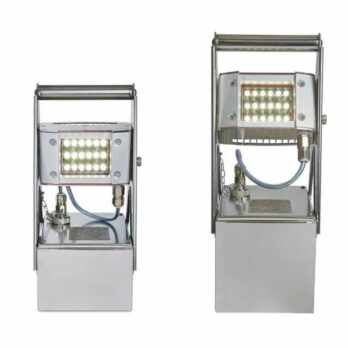
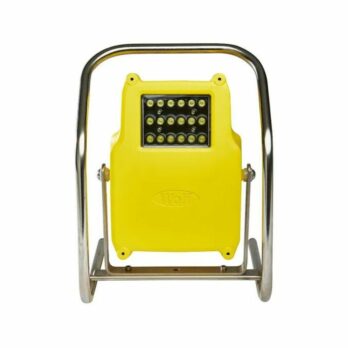
Wolf – ATEX/IECEx LED MINI WORKLITE WL-50
On Request
Discover our range of ATEX temporary lighting—designed to perform in the toughest, most hazardous environments. Ensuring unbeatable durability, and reliable illumination, keeping you safe and efficient no matter the challenge!
Showing items 1-2 of 2.
Have questions or need expert advice? Our team is ready to assist you. Chat with a knowledgeable expert in real-time and get the information you need.
Temporary Lighting is designed to provide illumination for short-term use in areas where permanent lighting systems are not yet installed or are unavailable. These lighting solutions are essential for construction sites, events, emergency situations, and maintenance work, offering flexible, easy-to-install options that ensure visibility and safety in environments with limited or no power infrastructure. Temporary lighting is available in various forms, including portable lights, string lights, floodlights, and mobile lighting towers, each suited for different applications.
Temporary lighting is used in a wide range of applications where immediate or short-term illumination is needed. Construction sites often require temporary lighting to ensure workers have adequate visibility for tasks, especially in low-light or night-time conditions. In event settings, such as outdoor festivals, concerts, or parties, temporary lighting helps create atmosphere and ensures safety by lighting walkways, stages, and seating areas. Temporary lighting is also used in emergencies, such as power outages or natural disasters, to provide essential lighting until the main power supply is restored. Additionally, maintenance teams may rely on temporary lighting for tasks that involve working in areas where the permanent lighting system is being repaired or upgraded. These systems are designed to be quick to set up, portable, and versatile, making them ideal for providing immediate illumination in places that need flexible and temporary solutions.
When selecting the right temporary lighting system for your needs, there are several key factors to consider:
By considering these factors, you can choose the right temporary lighting solution that meets your specific needs, ensuring safety, convenience, and reliability in any short-term illumination situation.