Breathing Apparatus / Respiratory Protection
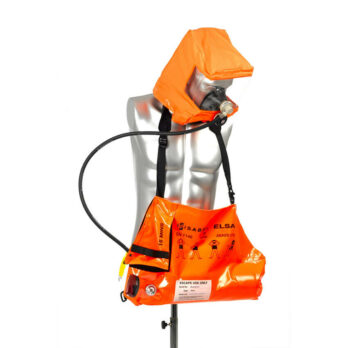
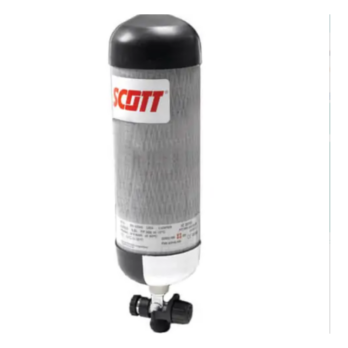
3M Scott – Elsa 15B Escape Breathing Apparatus
On Request
Breathing apparatus and respiratory equipment are essential to working in confined spaces, and depending on the space, we can advise the best suited to your environment. From hiring confined space kits to servicing, we have you covered.
Breathing Apparatus / Respiratory Protection
On Request
Breathing Apparatus / Respiratory Protection
On Request
Breathing Apparatus / Respiratory Protection
On Request
Breathing Apparatus / Respiratory Protection
On Request
Breathing Apparatus / Respiratory Protection
On Request
Breathing Apparatus / Respiratory Protection
On Request
Breathing Apparatus / Respiratory Protection
On Request
Breathing Apparatus / Respiratory Protection
On Request
Breathing Apparatus / Respiratory Protection
On Request
Breathing Apparatus / Respiratory Protection
On Request
Breathing Apparatus / Respiratory Protection
On Request
Showing items 1-11 of 11.
Have questions or need expert advice? Our team is ready to assist you. Chat with a knowledgeable expert in real-time and get the information you need.
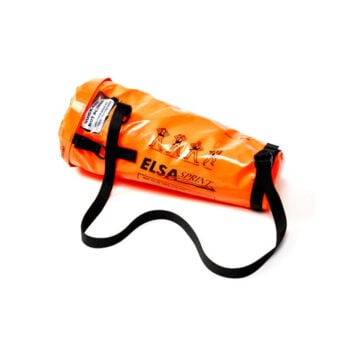
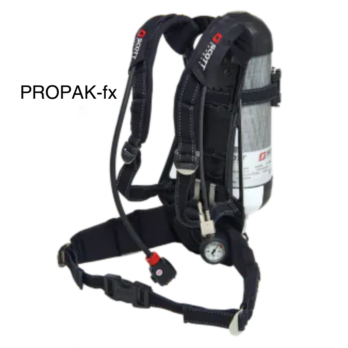
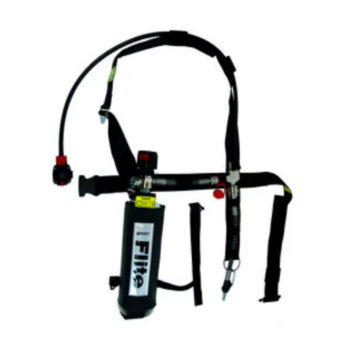
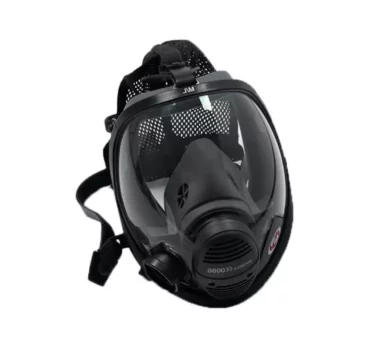
Breathing apparatus (BA) provides breathable air in oxygen-deficient or hazardous environments. It can be as simple as a mask or hood as seen on escape breathing apparatus or a self-contained breathing apparatus (SCBA) suitable for known atmospheres unsafe for breathing under normal conditions. These devices can filter contaminated air, supply oxygen from tanks, or recycle exhaled air.
Breathing apparatus is crucial in fields like water treatment, working in confined spaces such as tanks, sewers and silos. The design varies based on its use, with some providing a constant flow of air and others supplying air on-demand to conserve resources. Some systems such as the MSA SSR30/100 rebreather are sophisticated enough to recycle exhaled air, removing carbon dioxide and replenishing oxygen.
Depending on the product, escape apparatus can last for around 10 to 15 minutes. While full working apparatus will last over an hour. Chemical rebreathers such as the MSA SSR30/100 can last for around 60 minutes and the MSA SAVOX for around 90 minutes.
Choosing the right apparatus is determined by the environmental conditions, such as the need for anti-static properties, resistance to high levels of H2S or whether a lighter carbon fibre cylinder or a steel variant is needed. Products are also available to use with compressed air line systems which can provide a continuous supply of air via a generator and rotation of cylinders. Advanced systems, like the KO2 closed circuit breathing system, can last 4 to 6 hours by chemically generating oxygen from exhaled CO2.
Understanding the types and functions of breathing apparatus is essential for safety in hazardous environments, Altitude Safety have the product specialists to assist you make the right decision for you.
In the UK, the training and use of breathing apparatus (BA) is regulated to ensure personal safety and competence. Guidance is given to support those who wear, manage, or train others in Breathing apparatus (BA) use.
Respiratory Protective Equipment (RPE) regulations address various equipment, designed to protect against hazards in different work environments. Face Fit Testing is essential for ensuring the correct fit of RPE, which is critical for worker safety.
Employers must provide suitable RPE and ensure that employees receive proper training on its proper use. The Health and Safety Executive (HSE) offers resources to assist employers in selecting and managing RPE effectively in the workplace.