Breathing Apparatus / Respiratory Protection
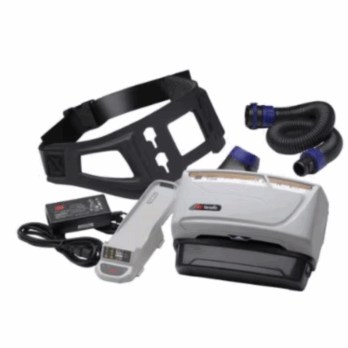
3M – Versaflo TR-600 Series Powered Air Respirator Systems
On Request
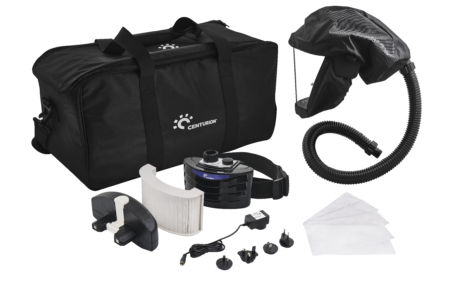
Our Powered Air Systems provide continuous, filtered airflow to protect against hazardous particles, ensuring comfort and safety in challenging environments. Designed for ease of use and maximum reliability, they keep you focused and protected all day.
Breathing Apparatus / Respiratory Protection
On Request
Breathing Apparatus / Respiratory Protection
On Request
Breathing Apparatus / Respiratory Protection
On Request
Breathing Apparatus / Respiratory Protection
£455.00
Breathing Apparatus / Respiratory Protection
£390.00
Breathing Apparatus / Respiratory Protection
On Request
Breathing Apparatus / Respiratory Protection
£13.00
Breathing Apparatus / Respiratory Protection
£2.00
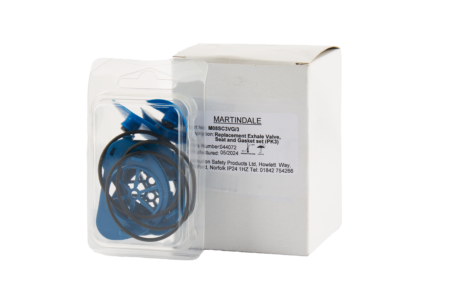
Breathing Apparatus / Respiratory Protection
On Request
Showing items 1-9 of 9.
Have questions or need expert advice? Our team is ready to assist you. Chat with a knowledgeable expert in real-time and get the information you need.
Powered Air Systems (PAS) are respiratory protection devices that deliver a continuous flow of filtered air to the wearer using a motorised blower. Unlike passive air-purifying respirators that rely on the wearer’s inhalation to draw air through a filter, powered air systems actively push clean air into the respirator, offering superior comfort and protection, especially in environments with high levels of airborne contaminants.
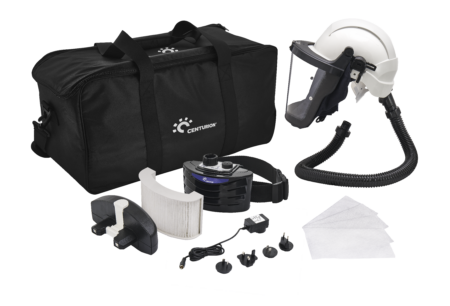
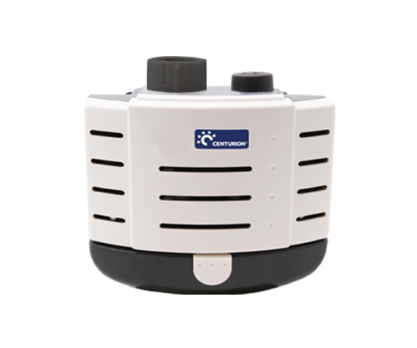
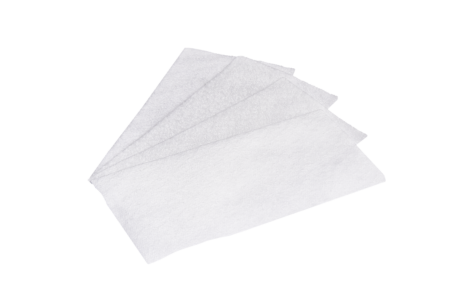
Powered Air Systems are commonly used in industries such as healthcare, pharmaceuticals, chemical manufacturing, and construction, where workers face exposure to airborne toxins, dust, fumes, or pathogens. The system consists of a blower unit, a filter or cartridge, and a headpiece (such as a full-face mask, hood, or helmet). The blower unit draws in air, filters it, and delivers it to the headpiece, ensuring a constant flow of clean air for the wearer.
These systems are particularly effective in situations where workers need to wear protective gear for extended periods or where air quality is poor. Powered Air Systems provide added comfort by reducing the amount of effort needed to breathe, unlike traditional respirators, and they offer better protection in environments with low air circulation, such as confined spaces or areas with high concentrations of particulate matter.
When selecting a Powered Air System, several factors must be considered to ensure the system provides the best protection, comfort, and reliability for your specific environment: