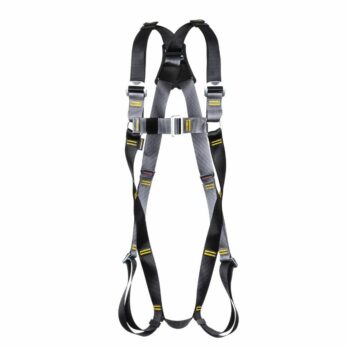
Fall Protection
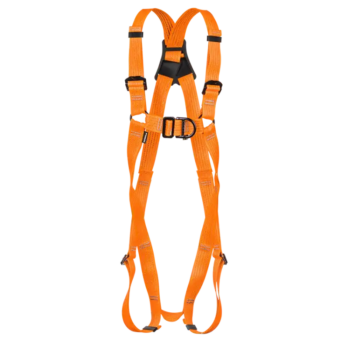
RIDGEGEAR – RGH1 REAR D HARNESS
£46.00
Fall Protection
£46.00
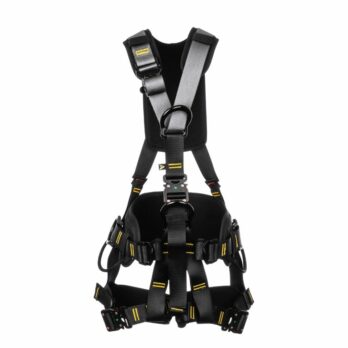
Fall Protection
£186.00
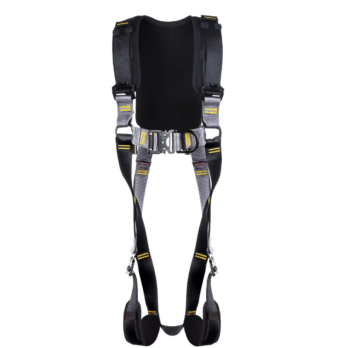
Fall Protection
£92.00
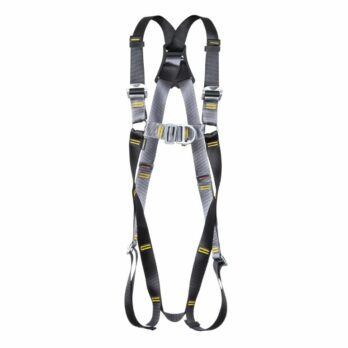
Fall Protection
£48.00
Fall Protection
£22.00
Fall Protection
£87.00
Fall Protection
£48.00
Fall Protection
£99.00
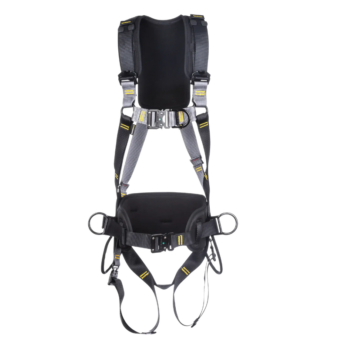
Fall Protection
£155.00
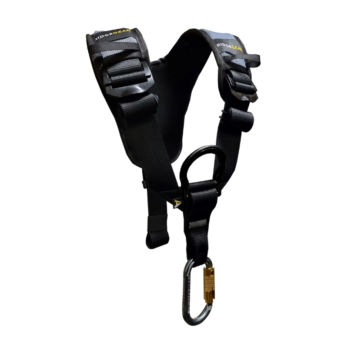
Fall Protection
£170.00
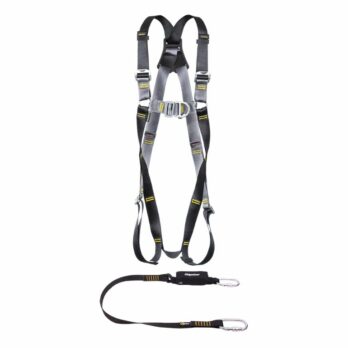
Fall Protection
£80.00
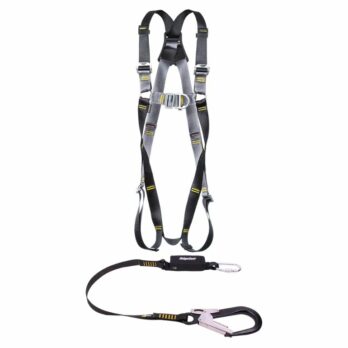
Fall Protection
£100.00
Showing items 1-12 of 14.
Have questions or need expert advice? Our team is ready to assist you. Chat with a knowledgeable expert in real-time and get the information you need.
Harnesses are essential components of personal fall protection systems, designed to secure a worker’s body and distribute fall arrest forces evenly in the event of a fall. Made from durable materials like webbing, harnesses feature adjustable straps, attachment points, and padding to ensure comfort and safety. They are widely used in industries such as construction, utilities, and rescue operations, where working at height or in confined spaces is common.
In fall arrest systems, a harness prevents injury by absorbing and distributing the force of a fall across the body, protecting critical areas like the spine and internal organs. Harnesses are worn around the torso, legs, and shoulders and connect to other fall protection equipment, such as lanyards or lifelines. In work positioning systems, harnesses provide stability and allow workers to maintain their position hands-free. They are also used in rescue scenarios, enabling safe lifting or lowering of personnel from hazardous locations.
Selecting the appropriate harness involves understanding the specific requirements of your job and ensuring the harness meets safety standards. Key factors to consider include:
By selecting a harness tailored to your specific needs, you can enhance safety, comfort, and efficiency while ensuring compliance with industry regulations. A well-chosen harness is an investment in both worker protection and peace of mind.