Gas Detection
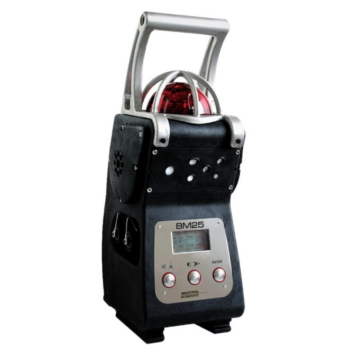
Teledyne – BM 25A Area Gas Monitor
On Request
Our Area Gas Monitors are built to meet the needs of any working environment, providing reliable gas detection for enhanced safety. Choose from options to purchase, hire, or service your equipment, with trusted brands like Wolf, Honeywell, and others available ensuring optimal performance and protection.
Showing items 1 of 1.
Have questions or need expert advice? Our team is ready to assist you. Chat with a knowledgeable expert in real-time and get the information you need.
Area gas monitors can be portable or fixed devices, designed to detect and measure gas concentrations over a wide area. Unlike personal gas detectors worn by individuals, area monitors are placed strategically on job sites to protect whole teams or cover large spaces. They are equipped with advanced sensors that identify hazardous gases, including toxic, flammable, or oxygen-deficient environments, ensuring comprehensive protection in industries such as oil and gas, construction, and manufacturing.
Area gas monitors are used to provide continuous gas detection in environments where multiple workers or large zones are at risk. These monitors can be deployed as standalone units or networked for real-time data sharing, creating a safety perimeter around the worksite. They are ideal for monitoring confined spaces, construction sites, and industrial plants. When dangerous gas levels are detected, area monitors alert workers through audible alarms, flashing lights, and in some cases, remote notifications to a control centre. Their robust design often includes weatherproof and impact-resistant features, making them reliable in harsh conditions. Additionally, they can integrate with other safety systems to trigger automatic responses like ventilation or evacuation.
Selecting the right area gas monitor involves assessing your specific operational needs and environmental conditions.