Gas Detection
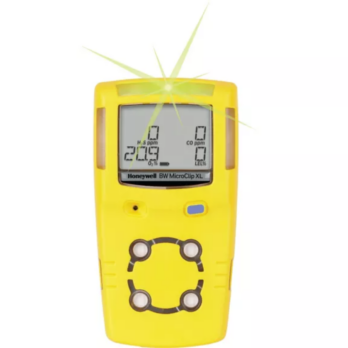
Honeywell BW – GasAlert MicroClip XL 4-Gas Detector Yellow
On Request
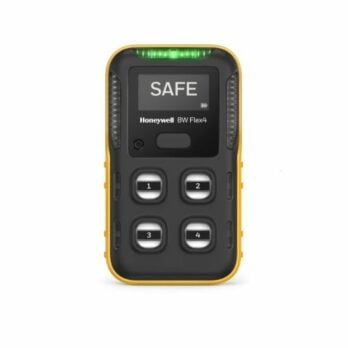
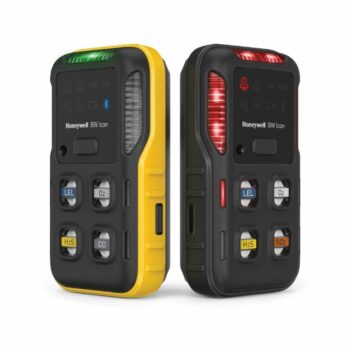
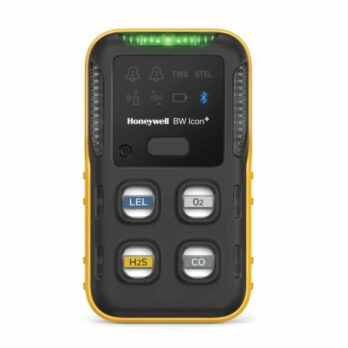
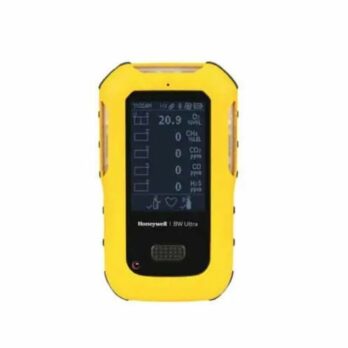
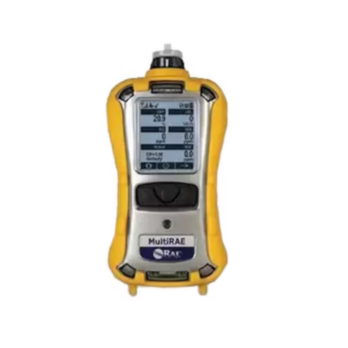
Protect your team with our Multi Gas Detectors, engineered for accurately monitoring flammable and toxic gases and oxygen levels. Rugged, compact, and easy to operate, they’re the perfect safety tool for industrial, construction, and confined space applications.
Gas Detection
On Request
Gas Detection
On Request
Gas Detection
On Request
Gas Detection
On Request
Gas Detection
On Request
Gas Detection
On Request
Showing items 1-6 of 6.
Have questions or need expert advice? Our team is ready to assist you. Chat with a knowledgeable expert in real-time and get the information you need.
Multi Gas Detectors are portable devices used to measure and monitor the presence of multiple gases in the environment. These detectors are designed to assess the air quality and detect hazardous gases like carbon monoxide, oxygen, hydrogen sulphide, and flammable gases, among others. Multi gas detectors provide real-time data and ensure worker safety by alerting them to dangerous conditions before they become critical.
Multi Gas Detectors are primarily used in industries such as construction, oil and gas, chemical processing, and confined space entry. These devices are worn by workers or placed strategically around a worksite to continuously monitor for gases that may present a risk to health or safety. In confined spaces or high-risk environments, multi gas detectors help ensure that the air quality remains safe by providing instant readings for gas concentrations. When hazardous levels of gases are detected, these detectors trigger alarms (audible, visual, or both) to alert personnel of immediate dangers, such as oxygen deficiency or the presence of toxic or flammable gases. Their portability allows for flexible usage, from individual monitoring to site-wide gas detection.
Choosing the right multi gas detector depends on several factors, including the types of gases you need to detect, the environment, and the specific requirements of your worksite.