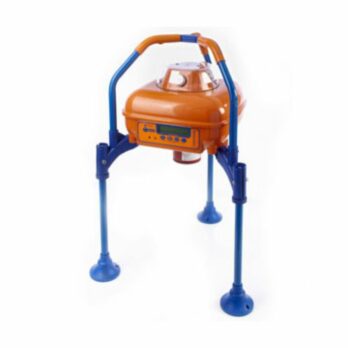
Gas Detection
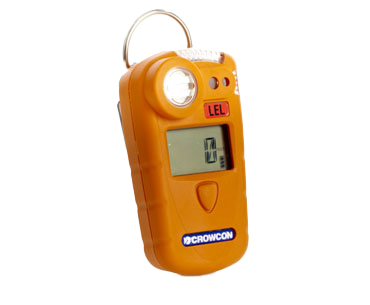
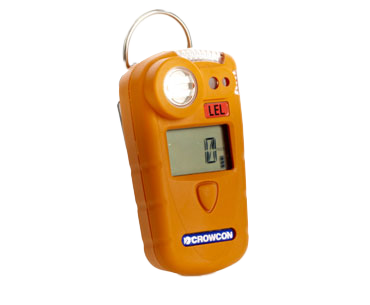
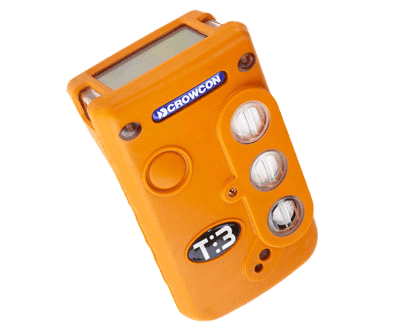
Crowcon – Detective + Area Gas Detector
On Request
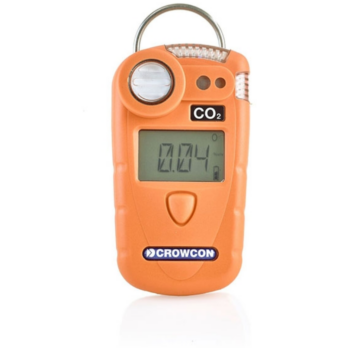
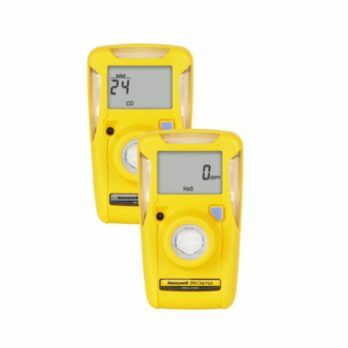
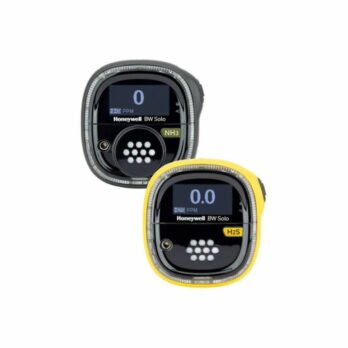
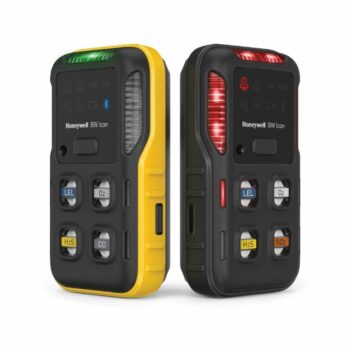
Offering a range of Gas Detection equipment from single to specialist Gas Monitors to Gas Tubes and other detection accessories. Altitude Safety offer sales, hire or service options on top brands including MSA Safety, Crowcon and BW equipment.
Gas Detection
On Request
Gas Detection
On Request
Gas Detection
On Request
Gas Detection
On Request
Gas Detection
On Request
Gas Detection
On Request
Gas Detection
On Request
Gas Detection
On Request
Gas Detection
On Request
Gas Detection
On Request
Gas Detection
On Request
Gas Detection
On Request
Showing items 13-24 of 40.
Have questions or need expert advice? Our team is ready to assist you. Chat with a knowledgeable expert in real-time and get the information you need.
Gas detection monitors are essential tools for detecting and measuring hazardous gases, providing real-time alerts to prevent accidents in environments such as industrial sites, water treatment plants, utilities, and construction. With advanced sensor technology, gas monitors offer precise readings and the ability to monitor single or multiple gases simultaneously, making them indispensable in maintaining air quality and protecting lives.
Gases such as carbon monoxide, hydrogen sulphide, and methane can be detected, avoiding risks of toxicity, flammability, and explosion. Advanced sensors, including infrared and PID technology, enable the detection of VOCs and other dangerous gases.
Manufacturers like MSA offer “live” remote monitoring, allowing real-time visibility of workers and gas levels, and enhancing safety by ensuring early detection and compliance.
The importance of gas detection monitors cannot be overstated, as they not only protect the user, but also contribute to the operational continuity of businesses by preventing costly accidents and ensuring compliance with stringent safety regulations. Gas detection monitors are an essential component of modern safety procedures, whether used as standalone units or in a larger safety system. They detect harmful gases and prevent accidents, providing peace of mind and a safer working environment for all.
Altitude Safety specialists can assist in selecting the right gas monitor and sensors, emphasizing the importance of choosing the correct sensors to safeguard workers. Some gases can render a person unconscious before an oxygen sensor reaches its lower limit of 19.5%. That’s why Altitude Safety takes a consultative approach to sales, focusing on understanding your project and goals rather than just selling what you think you need. Only then do we recommend the best equipment for your specific needs.
These points are crucial for ensuring that the gas detection monitor you choose is reliable, accurate, and suitable for your specific safety needs. Not sure of the equipment best suited to your job? Get in touch and we are more than happy to help.