Need to talk to us?
Have questions or need expert advice? Our team is ready to assist you. Chat with a knowledgeable expert in real-time and get the information you need.
Single gas detectors
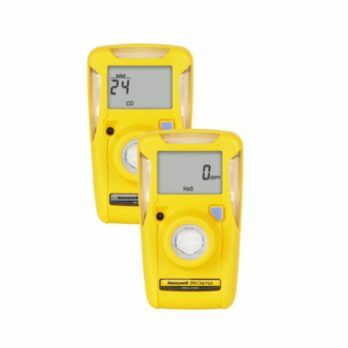
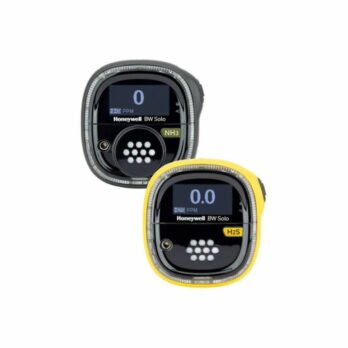
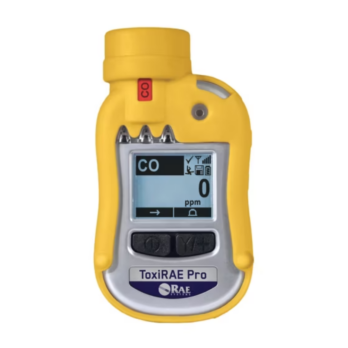
Single gas detectors provide continuous monitoring of one gas, alerting users when concentrations reach dangerous levels.
For instance, in the oil and gas industry, single gas detectors are commonly used to monitor gases such as hydrogen sulphide (H2S) or carbon monoxide (CO). In confined spaces or areas with limited ventilation, the detection of oxygen levels is crucial to ensure that the atmosphere remains safe for workers. In construction and industrial environments, single gas detectors are often used to monitor gases like methane, carbon dioxide, or ammonia, which can pose serious hazards if not controlled.
These detectors can be worn on a worker’s person, typically in the form of a compact and portable handheld device that continuously monitors the air around them. They are designed to alert the wearer via audible, visual, or vibration alarms if gas concentrations exceed pre-set threshold levels. Many modern single gas detectors are also equipped with data logging capabilities to track gas exposure over time, which can be helpful for compliance and safety records.
How to Choose the Right Single Gas Detection System
When selecting a single gas detection system, it’s important to consider several factors to ensure the device is appropriate for your specific application:
- Gas Type: The first step in choosing the right single gas detector is identifying the gas you need to monitor. Single gas detectors are designed to detect specific gases, such as oxygen, carbon monoxide, hydrogen sulphide, ammonia, or methane. Be sure to select a detector that is capable of accurately detecting the specific gas present in your working environment.
- Detection Range and Sensitivity: Different gases require different detection ranges, and the detector should be sensitive enough to detect hazardous levels at the concentrations relevant to your work. Some gases require detection at very low concentrations (ppm level), while others may need to be detected at higher levels (such as in percent volume for oxygen). Choose a detector with the appropriate detection range for the gas you’re monitoring.
- Alarm Features: Ensure that the single gas detector includes effective alarm systems. Alarms should be clearly audible, visible, or vibrational, and should activate when gas levels exceed pre-determined thresholds. Some models also allow for customisation of alarm settings, so you can adjust them based on your specific safety protocols.
- Portability and Comfort: Since single gas detectors are often worn on the worker’s body, portability and comfort are key factors. Look for lightweight, compact models that can be comfortably worn for long periods. Many single gas detectors are designed to be worn on a belt, chest, or attached to a hard hat, offering flexibility for different work environments.
- Battery Life: Choose a detector with a long battery life, especially for long shifts or outdoor environments where charging opportunities are limited. Battery life is an essential consideration to avoid any gaps in gas monitoring due to a drained battery.
- Durability and Environmental Conditions: Consider the operating conditions where the detector will be used. If you are working in harsh environments (e.g., extreme temperatures, humidity, or exposure to chemicals), ensure that the device is built to withstand these conditions. Look for rugged, water-resistant models that are designed to endure tough workplace environments.