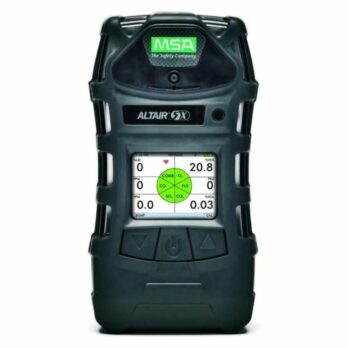
Gas Detection
MSA – ALTAIR 5X Multigas Detector
On Request
Explore our range of Specialty Gas Equipment, engineered to the highest standards, our Speciality gases provide the quality you can trust for your critical processes.
Gas Detection
On Request
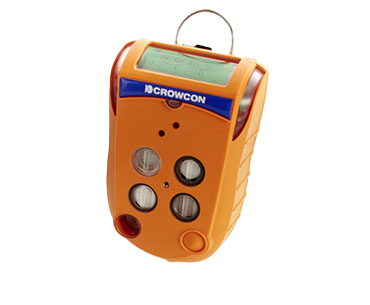
Gas Detection
On Request
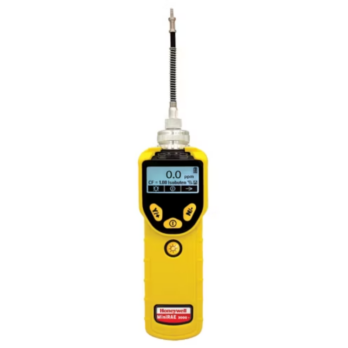
Gas Detection
On Request
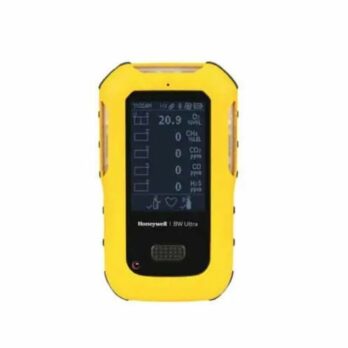
Gas Detection
On Request
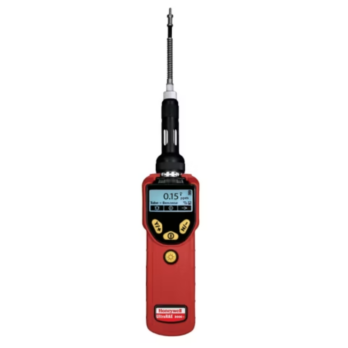
Gas Detection
On Request
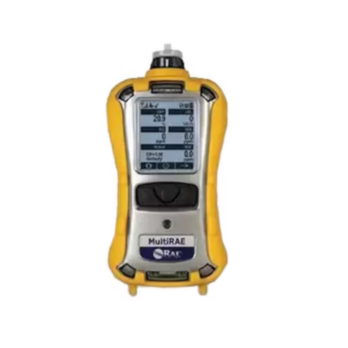
Gas Detection
On Request
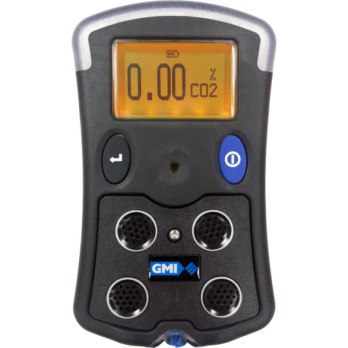
Gas Detection
On Request
Showing items 1-7 of 7.
Have questions or need expert advice? Our team is ready to assist you. Chat with a knowledgeable expert in real-time and get the information you need.
Specialty gas detection refers to the process of identifying and monitoring the presence of specific gases in an environment to ensure safety, accuracy, and compliance with industry standards. This equipment is essential for detecting a variety of gases that are often difficult to detect with standard detectors. Specialty gas detectors are designed to measure gases that are unique to particular applications or environments, such as high-purity gases used in laboratories, calibration gases, or gases used in manufacturing processes. These detectors help maintain safe working conditions by alerting workers to the presence of hazardous gases at concentrations that could pose a risk to health, safety, or the environment.
Specialty gas detection is crucial across several industries, including chemical manufacturing, laboratories, oil and gas, environmental monitoring, and healthcare. In research and development settings, specialty gas detectors are used to monitor gases that may not be detectable with regular detection systems, ensuring the safety of sensitive equipment and personnel. In industrial environments, they are employed to detect gases like hydrogen sulphide, carbon monoxide, ammonia, or ozone, which can be dangerous at low concentrations. Specialty gas detectors are often used to calibrate other gas detection systems, ensuring precise and accurate results for a variety of gases.
In healthcare, specialty gas detectors are used in controlled environments to measure gases like medical-grade oxygen, nitrous oxide, or anaesthetic gases, ensuring that they remain within safe levels for patient care. Similarly, in the oil and gas sector, specialty gas detection helps to detect the presence of toxic or flammable gases that can pose risks to both workers and the environment.
Specialty gas detectors typically come with features like real-time monitoring, alarms, and data logging, which provide critical information about gas concentrations. Some models also feature advanced sensors that are capable of detecting low concentrations of gases, while others offer multi-gas detection capabilities for comprehensive monitoring.
When selecting a specialty gas detection system, it’s important to consider several key factors to ensure the right fit for your specific application: