Cable Location
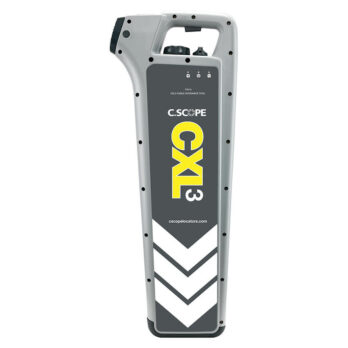
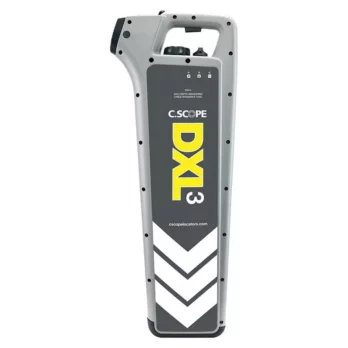
C.SCOPE – DXL3 Depth Measuring Cable Avoidance Tool
On Request
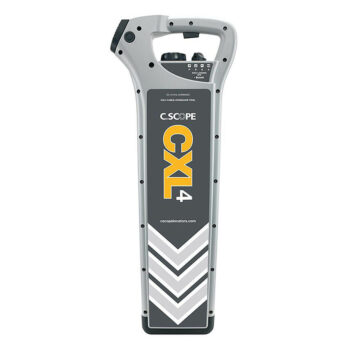
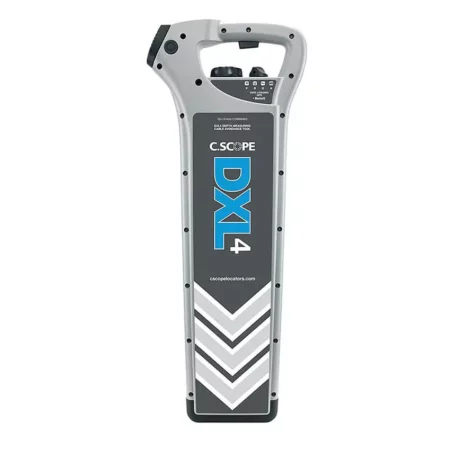
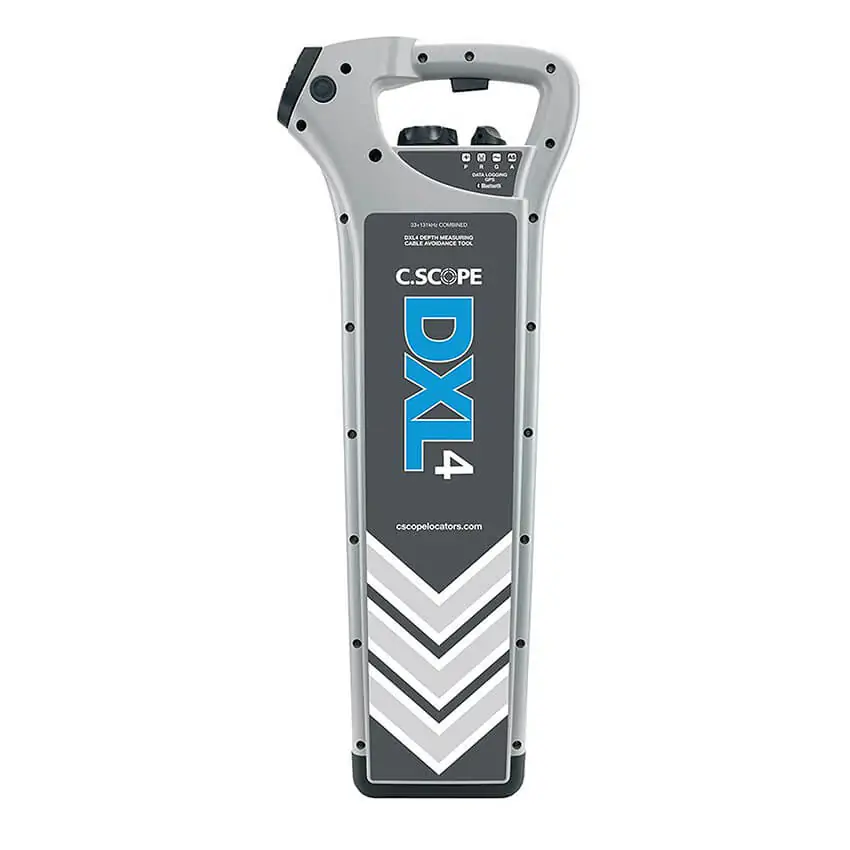
The C.SCOPE DXL4 detects and measures buried services with dual-frequency accuracy, data logging, GPS, and Bluetooth connectivity. Order yours today!

Have questions or need expert advice? Our team is ready to assist you. Chat with a knowledgeable expert in real-time and get the information you need.
The C.SCOPE DXL4 Cable Avoidance Tool is a next-generation detection solution, engineered to deliver unmatched precision, depth measurement, and intelligent data tracking across all detection scenarios. Designed for professionals in construction, utilities, civil engineering, and rail, the DXL4 ensures faster, safer, and more accurate detection of buried services, helping prevent costly strikes and delays. With dual-frequency signal compatibility (33kHz + 131kHz), it improves the detection of standard, small-diameter, and poorly earthed cables, particularly when used with a C.Scope Signal Generator.
The tool offers four versatile detection modes: POWER (for live electrical cables), RADIO (for ambient signals on metallic utilities), GENERATOR (for tracing signals applied by a signal generator), and ALLSCAN (for detecting unknown or difficult signals). Whether identifying metallic or non-metallic pipes and cables, the DXL4 ensures consistent, confident detection in even the most challenging environments.
Built to minimise human error and support safer working practices, it includes depth measurement for accurate planning, and is available in two models: the DXL4-D, with full data logging, and the DXL4-DBG, which adds Bluetooth connectivity and GPS tracking for advanced location and usage reporting. With intuitive operation and minimal training required, the DXL4 is an ideal choice for teams focused on safety, precision, and performance.
Can’t find your answer? Get in touch with our team.
No, however we would suggest that you undertake a Cat and Genny Course which covers the use of cable locators. Our sister company Citrus Training offers these courses.
We suggest regular calibration and testing against known benchmarks to ensure accuracy. Many models also provide additional diagnostic functions for you to monitor and verify their performance.
Regularly check and calibrate your device according to the manufacturers guidelines. Make sure to clean all equipment after use and store it in a dry, protected environment to prevent any damage to the product.