Gas Detection
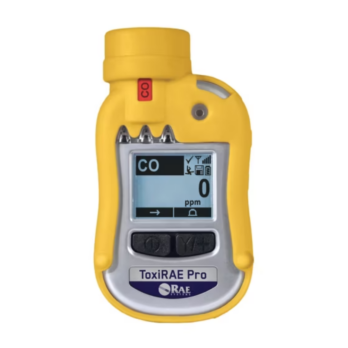
Honeywell BW – ToxiRAE Pro Single Gas
On Request
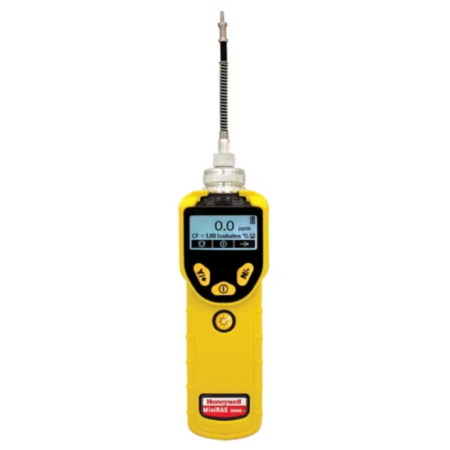
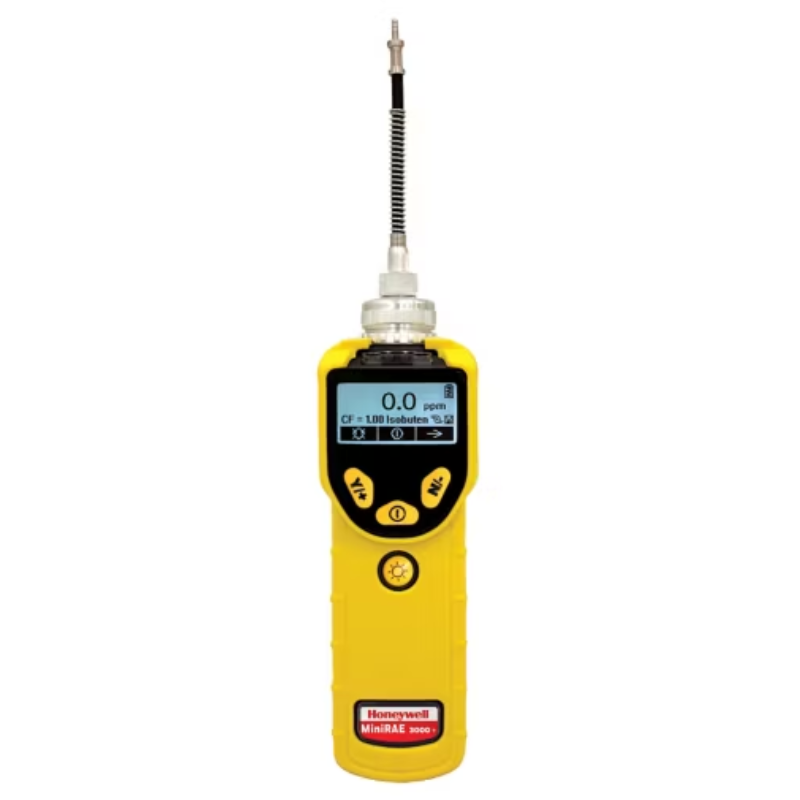
The Honeywell MiniRAE 3000+ offers fast, accurate VOC detection with wireless connectivity and a wide 0–15,000 ppm range. Purchase, hire or service yours today!

Have questions or need expert advice? Our team is ready to assist you. Chat with a knowledgeable expert in real-time and get the information you need.
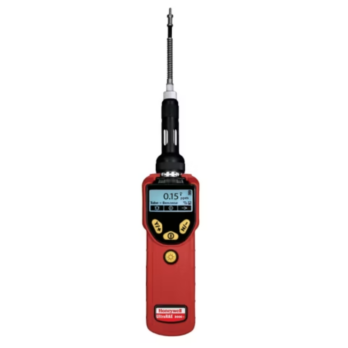
The Honeywell MiniRAE 3000+ is an advanced handheld VOC (Volatile Organic Compound) monitor that utilises third-generation patented PID technology to deliver highly accurate measurements of ionisable chemicals—one of the widest detection ranges available on the market.
With a full-range VOC measurement from 0 to 15,000 ppm, workers can quickly assess air quality and wirelessly transmit real-time data. It’s built-in wireless modem enables seamless connectivity with a command centre up to 2 miles (3 km) away via Bluetooth to a RAELink 3 portable modem or an optional Mesh Network.
The MiniRAE 3000+ combines precision, durability, and real-time connectivity, making it a powerful tool for VOC detection in the most demanding environments.
Can’t find your answer? Get in touch with our team.
No, however we would suggest that you undertake a Confined Space Course which covers the use of gas monitors. Our sister company Citrus Training offers these courses.
Taking into consideration the ATEX directive, manufacturer recommendations and your own company risk assessments, it is recommended that you bump test your monitor before every use, it is true that the law is not clear and doesn’t use the all-important word “MUST” and the regulation only surrounds flammable gases, not toxic, but you can guarantee that the authorities would want to see evidence of such testing should the worst happen!
No. Whilst a monitor can initially pass the start-up process and indicate that the monitor is functional, what this doesn’t tell you is if gas can actually reach the sensor, as the sensor membranes can become clogged with muck, dust and particles that are not visible to the human eye and thus not allowing the gas molecules to reach the sensor and react in a timely fashion.