Gas Detection
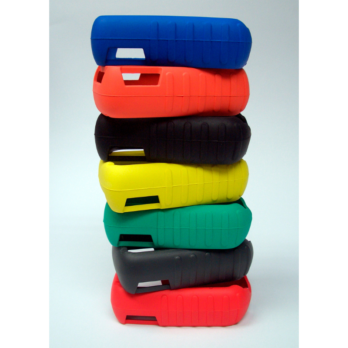
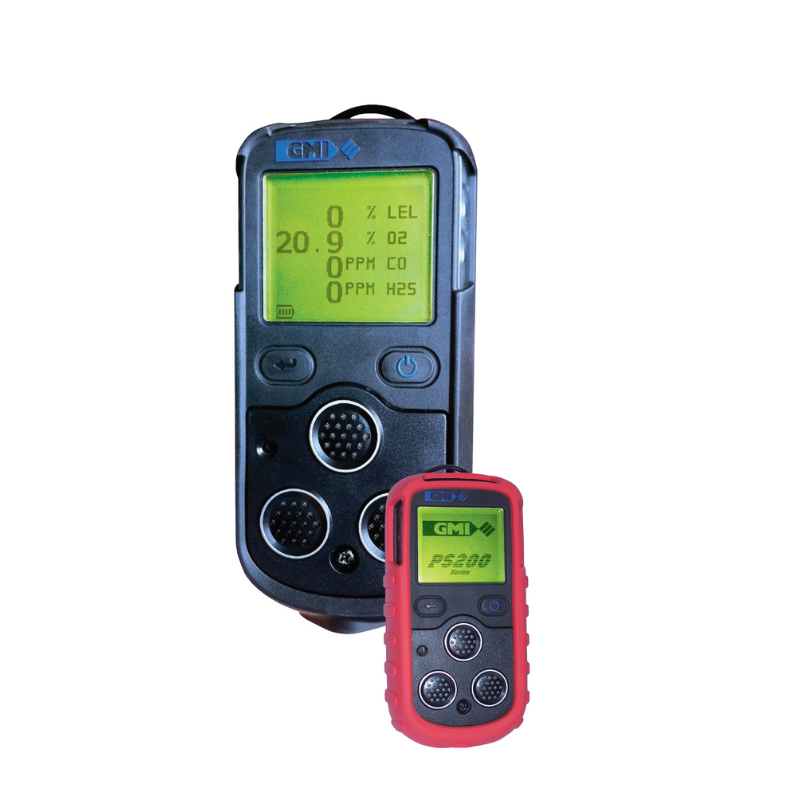
Teledyne – Rubber Boot – For PS200
£28.00
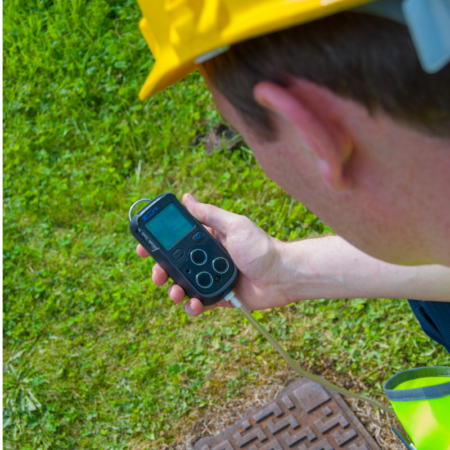
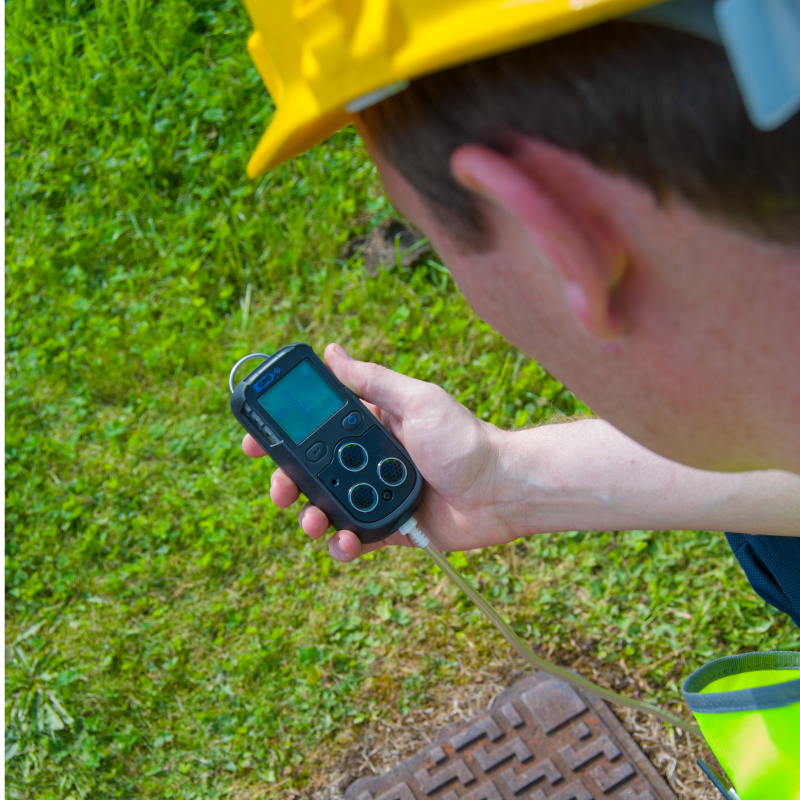
The PS200 Gas Monitor combines quality, ruggedness, and advanced technology in a user-friendly, portable gas monitor. Available to purchase and service.




Have questions or need expert advice? Our team is ready to assist you. Chat with a knowledgeable expert in real-time and get the information you need.
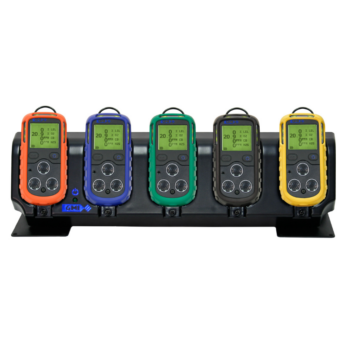
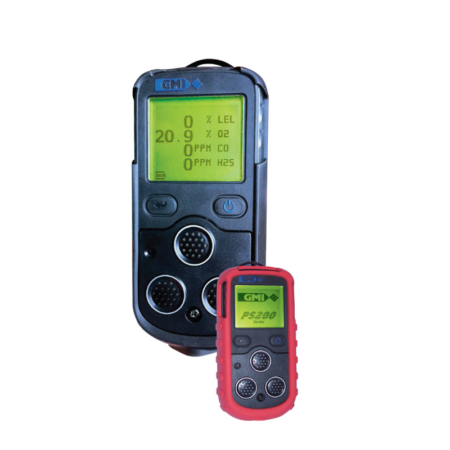
The Teledyne PS200 Gas Monitor combines rugged durability, advanced technology, and user-friendly design in a compact and portable gas monitor. Engineered for versatility, it is lightweight, water-resistant, and built to withstand tough environments. Certified to multiple international and regional standards, the PS200 offers reliable protection in demanding conditions.
Capable of measuring any combination of LEL, O₂, CO, and H₂S, the PS200 is ideal for personal monitoring and confined space applications. To enhance flexibility, it features extensive data-logging capabilities and can be equipped with an optional internal pump for improved functionality in various user scenarios.
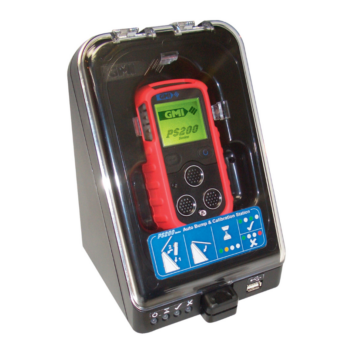
Designed with convenience in mind, the PS200 simplifies maintenance with a fully automatic calibration station, ensuring hassle-free compliance and reducing downtime.
The PS200 Series is the perfect combination of performance, durability, and ease of use, making it a dependable solution for gas detection in both personal monitoring and confined space applications.
Can’t find your answer? Get in touch with our team.
No, however we would suggest that you undertake a Confined Space Course which covers the use of gas monitors. Our sister company Citrus Training offers these courses.
A bump test is the only way to test that the whole gas detector unit is working properly. It checks that the sensors respond to the target gas, it also verifies that the display reacts and it confirms that all the alarms are activated and the detector alarm functions properly. The principle behind bump testing remains the same across all manufacturers, with a target gas applied to the monitor for usually around 30-40 seconds with a flow rate of around 0.5lpm, this exposes the sensors to the target gas and the monitor (depending on manufacturer) will show gas readings and alarms should respond accordingly. You would normally expect to see readings within 10% of the target gas applied.
Taking into consideration the ATEX directive, manufacturer recommendations and your own company risk assessments, it is recommended that you bump test your monitor before every use, it is true that the law is not clear and doesn’t use the all-important word “MUST” and the regulation only surrounds flammable gases, not toxic, but you can guarantee that the authorities would want to see evidence of such testing should the worst happen!