Gas Detection
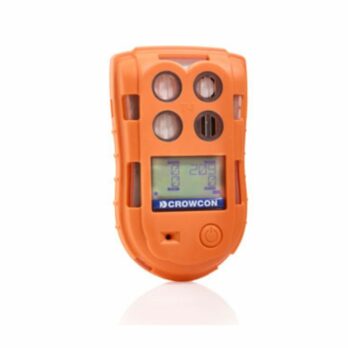
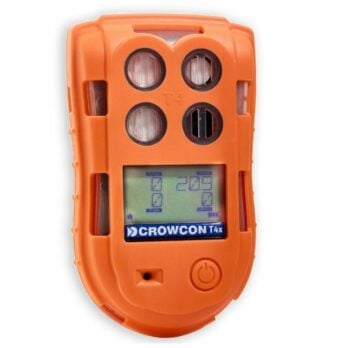
CROWCON – T4X GAS MONITOR
On Request
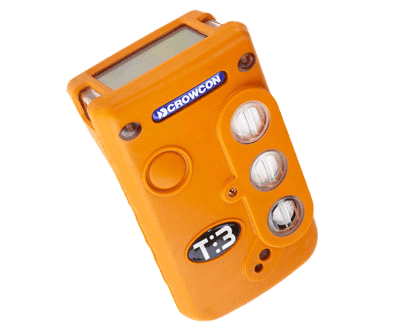
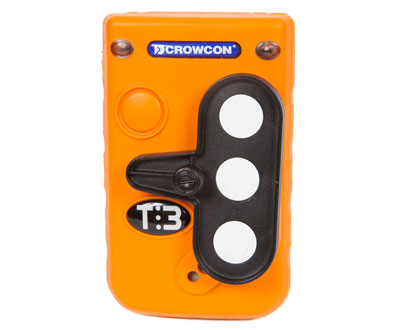
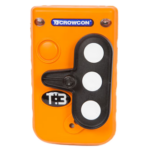
Crowcon Tetra 3 Gas Monitor is a compact, robust, and easy-to-use diffusion-based detector. Fill out the form below to get yours!

Have questions or need expert advice? Our team is ready to assist you. Chat with a knowledgeable expert in real-time and get the information you need.
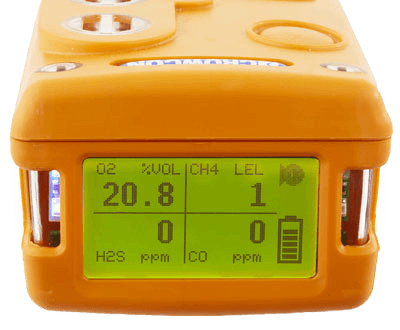
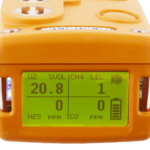
The Tetra 3 Gas Monitor is designed to detect and monitor the four most common gases—carbon monoxide, methane, oxygen, and hydrogen sulphide—along with an expanded range that includes ammonia, ozone, sulphur dioxide, H2-filtered CO (for steel plants), and IR carbon dioxide (for safe areas only).
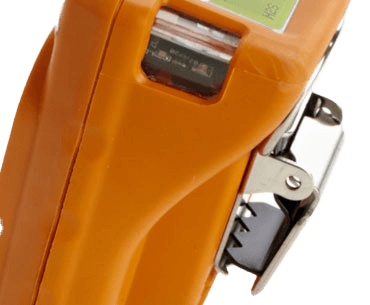
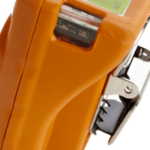
Built for durability, the Crowcon Tetra 3 Gas Monitor is impact, water, and dust-resistant, with added shock and vibration protection to withstand even the toughest environments.
Its user-friendly design features a single button for easy operation, even when wearing gloves. The top-mounted, backlit display shows gas readings, diagnostics, and battery life, ensuring it’s simple to use with minimal training.
With clear audio, visual, and vibrating alarms, the Tetra 3 ensures no warning goes unnoticed, enabling quick evacuations from hazardous zones when it matters most.
Can’t find your answer? Get in touch with our team.
No. Whilst a monitor can initially pass the start-up process and indicate that the monitor is functional, what this doesn’t tell you is if gas can actually reach the sensor, as the sensor membranes can become clogged with muck, dust and particles that are not visible to the human eye and thus not allowing the gas molecules to reach the sensor and react in a timely fashion.
No, however we would suggest that you undertake a Confined Space Course which covers the use of gas monitors. Our sister company Citrus Training offers these courses.
Of course you can, but please try to give us as much notice as possible and ensure that you have any relevant paperwork and purchase order numbers.