key points
- The 2022 PPE Regulations have expanded PPE coverage to include “limb (b)” workers (casual/contract workers) alongside full-time employees
- Employers must now provide PPE for both limb (a) and limb (b) workers, conduct risk assessments, and ensure PPE is well-maintained, compatible, and free of charge for limb (b) workers
- Employers should clarify employee status, reassess PPE use, prioritise other risk controls, and provide training on PPE use and maintenance
The 2022 PPE Regulations Amendment
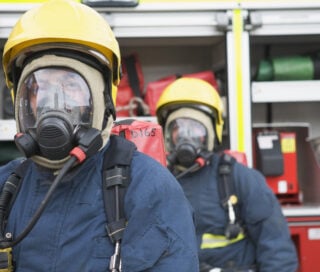
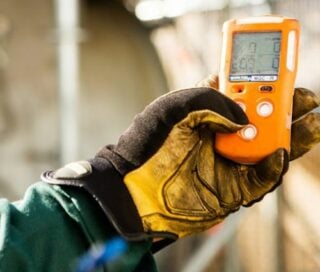
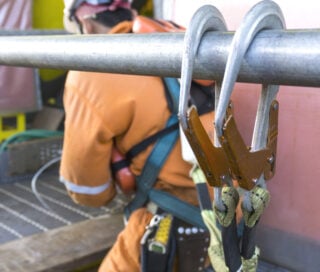
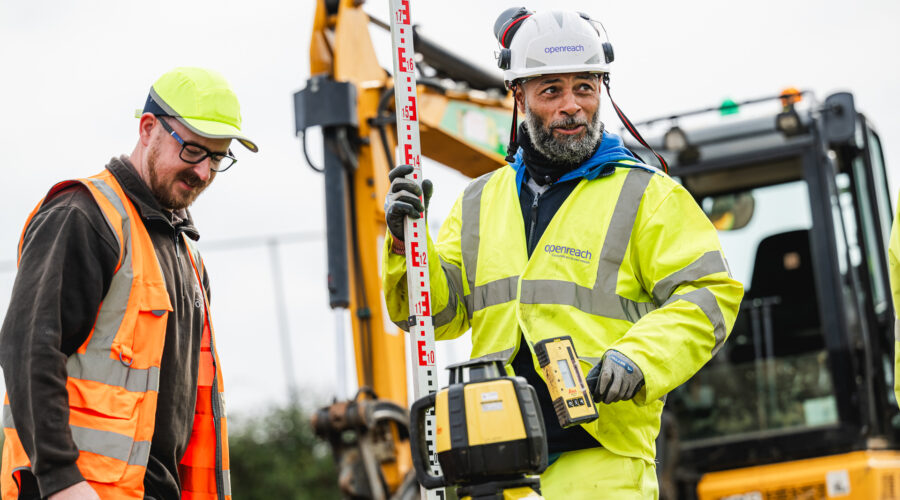
When you think of health and safety in the workplace, you might picture personal protective equipment (PPE) like hard hats, gloves, or safety goggles. These iconic items represent a crucial aspect of workplace safety, solidified over the years by regulations such as the original PPE guidelines from 1992, part of a broader effort aligning UK safety laws with European directives. However, changes have expanded these protections, bringing additional workers under the scope of PPE regulations. As of April 6, 2022, new duties have been introduced to ensure broader coverage and protection, particularly for a category of workers known as “limb (b)” workers.
Who Are Limb Workers?
The term “limb (b) workers” comes from the Employment Rights Act 1996, which defines workers under two categories, or “limbs”:
- Limb (a): Individuals with a contract of employment, typically full-time employees who are already covered by the Health and Safety at Work Act 1974 and were previously protected under the original PPE regulations from 1992.
- Limb (b): Individuals who work under a contract for services, often more casually or irregularly than limb (a) workers. This group may work for multiple organisations, choose when to work, and have limited employment rights. Before the 2022 amendment, these workers were not entitled to PPE provisions under the PPE regulations.
It’s important to note that this change does not apply to those with self-employed status. However, limb (b) workers, who provide work personally for a reward but without full employee status, are now required to receive the same PPE protections as limb (a) workers.
Key changes to PPE regulations from April 6, 2022
The 2022 amendment to the PPE regulations introduces new responsibilities for employers with limb (b) workers. Here’s what’s required:
- Employers with both limb (a) and limb (b) workers must ensure PPE is provided consistently and fairly across both groups. All workers under either category should have access to necessary PPE, based on assessed workplace risks.
- Employers with only limb (b) workers are now required to provide PPE free of charge. This involves:
- Conducting risk assessments and using PPE as a last line of defence after all other risk management measures, like engineering controls, are in place.
- Ensuring PPE is compatible, well-maintained, properly stored, and used correctly.
- Providing training and instructions on how to use PPE effectively.
- Prohibiting charges for PPE needed to perform work tasks safely.
Steps for Employers to Stay Compliant
- Clarify Employment Status: Review the employment status of everyone in your workforce. Since different businesses engage workers in various ways, consulting an HR advisor can be helpful to ensure clarity.
- Review and Assess PPE Use: Use the regulatory update as an opportunity to reassess PPE use in your organisation. Ensure that engineering and administrative controls are prioritised, with PPE as the final measure. Verify that PPE types and specifications meet the necessary standards for each role.
- Engage and Educate Employees: Encourage open dialogue with your employees about PPE requirements, offering training and clear guidance on proper usage, maintenance, and reporting procedures. Employees should also know how to request replacements if their PPE is damaged or worn out.
The 2022 amendment to the PPE regulations marks a significant expansion in protecting workers, especially those who previously fell outside PPE requirements. Whether you employ full-time staff, casual workers, or a combination, these changes underscore the need for consistent, fair access to PPE and improved safety standards for everyone on the job. This update not only strengthens worker protection but also fosters a safer, more inclusive work environment.