key points
- RPE protects workers from airborne hazards (toxic fumes, dust, harmful substances) and ensures compliance with safety regulations.
- Types of RPE: Non-powered respirators filter dust, powered respirators supply continuous clean air, and breathing apparatus provides air in unsafe environments.
- RPE selection depends on workplace hazards (chemical, biological, particulate, gaseous threats) and specific requirements like continuous clean air.
- Regular risk assessments, fit testing, and maintenance (filter replacement, proper storage) are crucial for maintaining RPE effectiveness.
Ensuring worker health and safety is essential across numerous industries, particularly where exposure to hazardous environments poses risks to well-being. Respiratory protective equipment (RPE) serves as a critical line of defence in such settings, providing vital protection against airborne contaminants, toxic fumes, dust, and other potentially harmful substances. By creating a barrier against these hazards, RPE reduces the risk of respiratory diseases, immediate health threats, and long-term exposure effects. With the right RPE in place, employers can help safeguard their teams, foster a culture of safety, and comply with industry standards and regulations.
Understanding Types of Respiratory Protective Equipment
Respiratory protective equipment (RPE) falls into two primary categories: respirators and breathing apparatus.
Respirators come in two forms:
- Non-powered respirators rely on the user’s breathing to pull air through a filter, effectively filtering particulate pollutants like dust and fibres. They are best suited for environments with particulate pollutants such as dust or fibres. The common choice for this protection is the Sundstrom filtering facepieces.
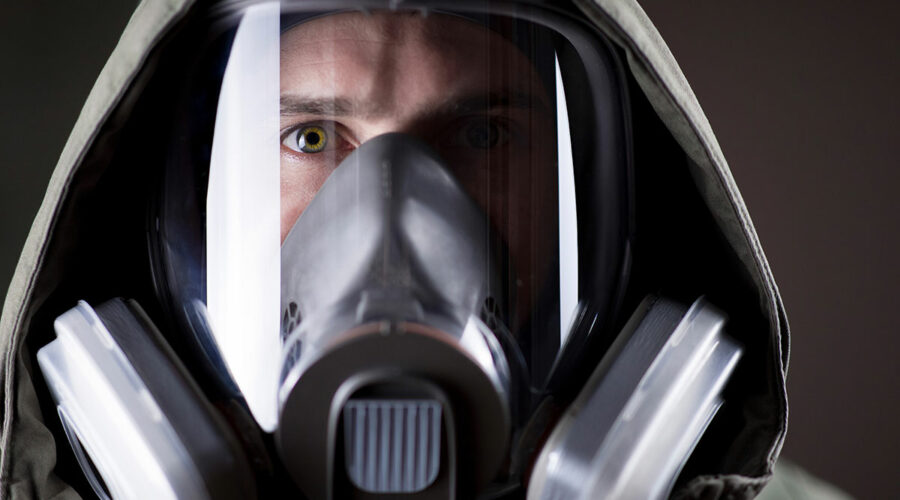
- Powered respirators utilise a motor to draw air through a filter, providing a continuous supply of clean air with less effort, making them ideal for prolonged use. Trusted brands like 3M offer a range of powered respirators known for their reliability and comfort.
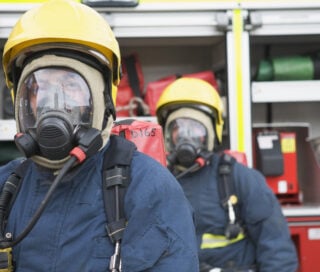
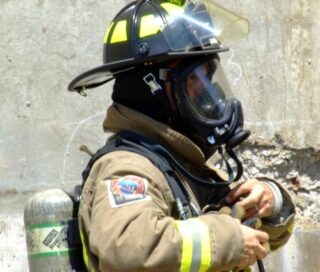
Breathing Apparatus is essential in environments with unsafe air quality, such as confined spaces. It supplies clean air from an independent source, like an air cylinder. Leading providers include Drager and MSA, both known for their durable designs and advanced safety features.
How Workplace Hazards Impact RPE Selection
Choosing the right respiratory protection should be based on an evaluation of the specific workplace hazards. This requires identifying different airborne threats—chemical, biological, particulate, or gaseous. For industries like chemical manufacturing or pharmaceuticals, where exposure to hazardous vapours is common, powered respirators or breathing apparatus may be necessary based on contaminant levels.
Compliance with UK RPE Standards
UK safety standards, provided by the Health and Safety Executive (HSE), outline necessary Respiratory protective equipment criteria, ensuring legal compliance and effective workplace risk mitigation. These standards help employers choose RPE that adequately protects workers and meets safety benchmarks.
Assessing and Maintaining Respiratory Equipment
A thorough risk assessment is the first step in selecting suitable RPE, taking into account specific hazards and required protection levels. Fit testing is critical especially for tight-fitting respirators, to ensure a secure seal and to prevent leaks.
Regular maintenance is essential to retain RPE effectiveness. This includes periodic checks, proper storage, and timely replacement of filters and consumables. Proper training on use and maintenance is crucial, as misuse can compromise protection.